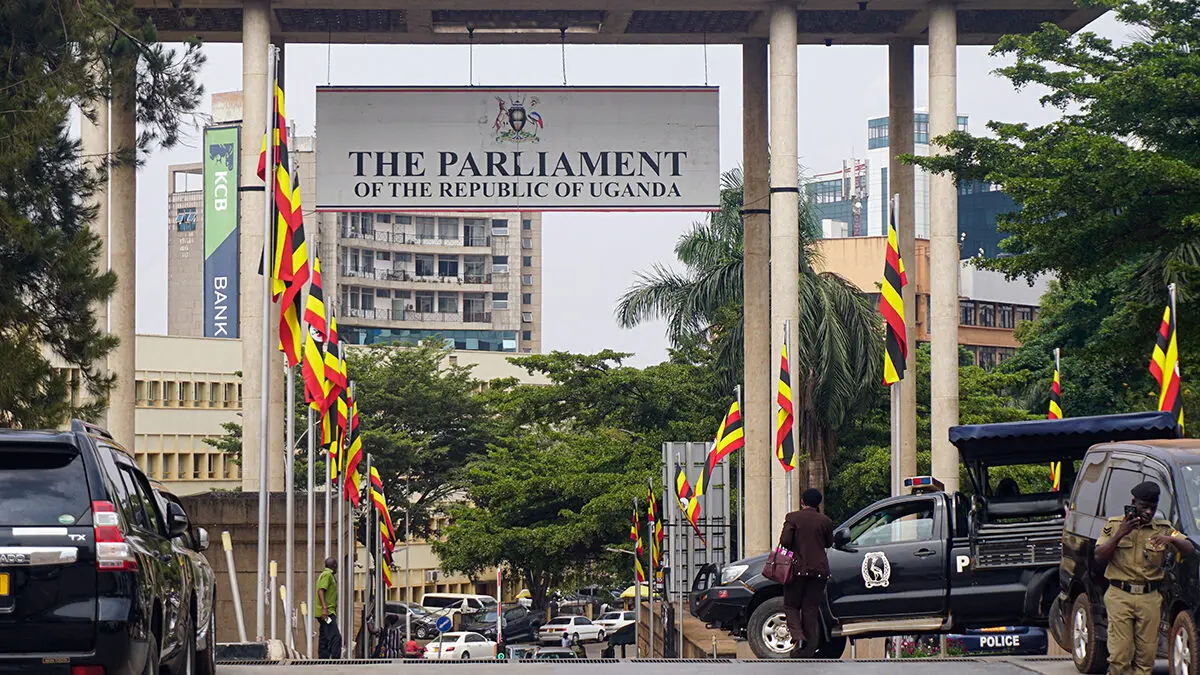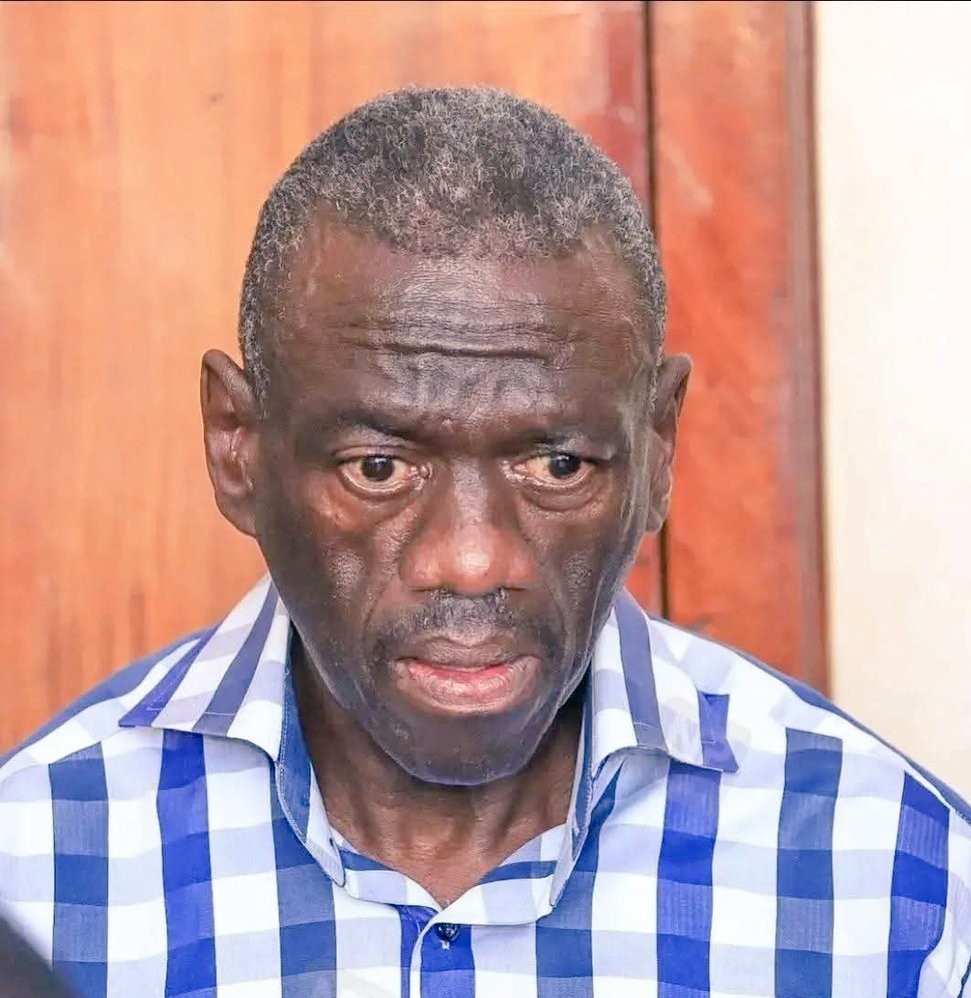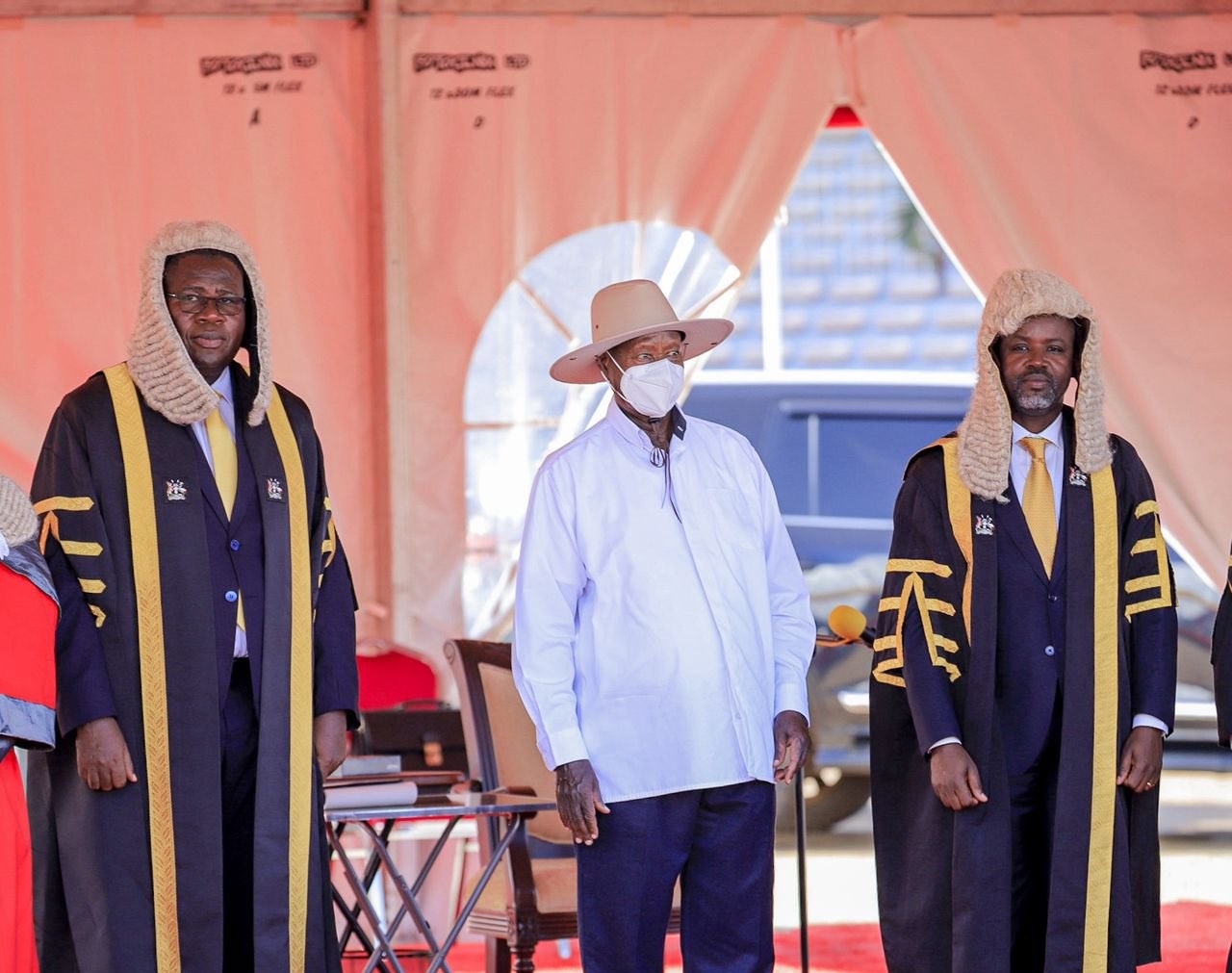
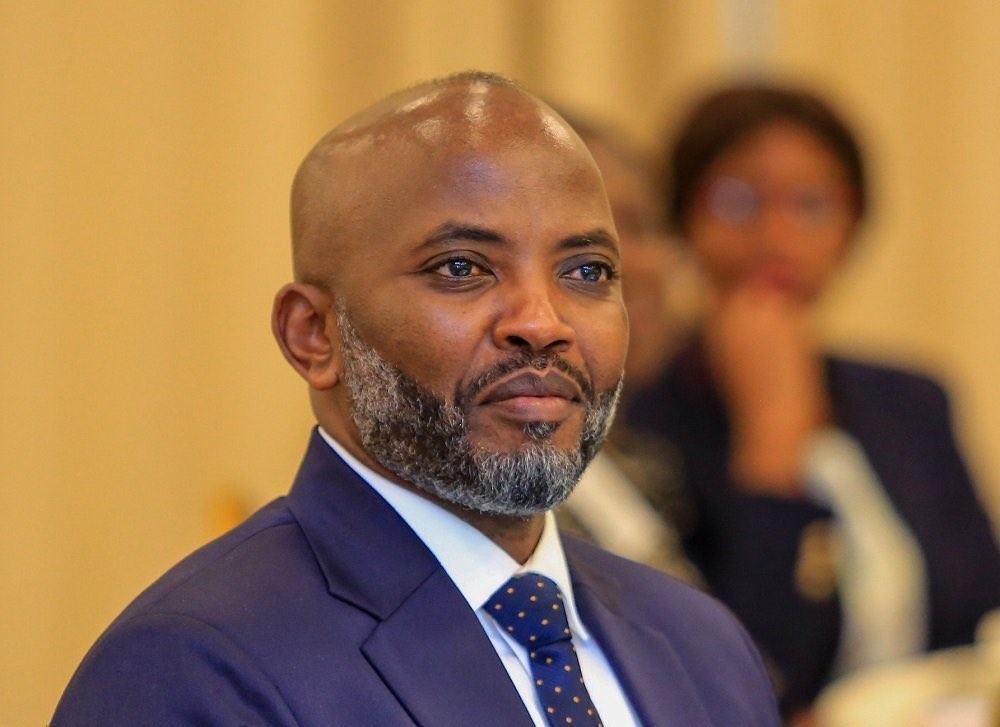
KAMPALA, Uganda — Dr. Lawrence Muganga, the vice chancellor of Victoria University, has accused Deputy Speaker Thomas Tayebwa of bias and discrimination after Parliament’s Appointments Committee rejected his nomination as State Minister for Internal Affairs over concerns surrounding his citizenship status.

The committee declined to approve Muganga’s appointment following a vetting process in which lawmakers questioned whether he had fully complied with Uganda’s citizenship requirements for holders of certain public offices. The position of State Minister for Internal Affairs falls under offices for which dual or multiple citizenship is restricted under Uganda’s Citizenship and Immigration Control Act unless foreign citizenships have been formally renounced.
According to reports from the vetting process, committee members were not satisfied that Muganga had conclusively resolved concerns regarding citizenship links to Uganda, Canada and Rwanda. While Muganga acknowledged previously holding Ugandan and Canadian citizenship, he denied possessing Rwandan citizenship or a Rwandan passport.
Muganga told the committee that he had taken steps to renounce his Canadian citizenship and maintained that he is a Ugandan citizen by birth. Public records indicate that he formally registered as a Ugandan citizen in November 2024 and was issued a Ugandan passport in February 2026. He was born in Mukono District in 1976.

The rejection was particularly significant because the Internal Affairs ministry oversees immigration, citizenship and other security related functions. Committee members reportedly argued that strict compliance with citizenship requirements was necessary given the sensitivity of the docket.
Following the committee’s decision, Muganga took to social media to condemn the outcome, alleging that the process had been predetermined. He accused Tayebwa of signaling before the conclusion of the vetting exercise that his nomination would not be approved.
According to Muganga, Tayebwa remarked during the proceedings that “in every vetting session we have to fail someone, and this time it had to be you, Dr. Muganga.” Muganga described the alleged remarks as evidence of discrimination and said he would release audio recordings to support his claims.
He further argued that the decision reflected longstanding prejudice against Ugandans of Banyarwanda heritage.
“We Banyarwanda are Ugandans. We were born here. We pay taxes here. We build institutions here,” Muganga said, defending both his identity and his contribution to Uganda’s education sector.
The controversy has drawn reactions from prominent members of the Banyarwanda community, including social commentator Frank Gashumba, who has been outspoken on issues affecting Ugandans of Rwandan descent. Gashumba said many members of the community had welcomed President Yoweri Museveni’s decision to nominate Muganga, viewing it as recognition of their contributions to national development.
He alleged that reports claiming Muganga held three citizenships heavily influenced the committee’s decision and questioned the role played by some lawmakers during the vetting process.
The debate has also revived broader concerns raised by Banyarwanda advocacy groups regarding alleged discrimination in access to national identity documents, passports and public opportunities. In 2024, Muganga joined other activists in petitioning Parliament over what they described as ethnic profiling of citizens with Rwandan heritage.
Supporters of Muganga argue that many Banyarwanda are Ugandan citizens by birth and should not face heightened scrutiny because of their ancestry. They contend that the intense focus on his background appeared inconsistent when compared with the treatment of other nominees.
Critics, however, point to past questions surrounding Muganga’s nationality. A 2013 article in Rwanda’s New Times described him as a Rwandan national working in Canada, while previous security investigations in Uganda have also been cited by opponents questioning his suitability for a ministry responsible for citizenship and immigration matters.
Legal experts remain divided on the broader constitutional implications of Uganda’s restrictions on dual citizens serving in certain public offices. Some argue the provisions are necessary safeguards for sensitive government positions, while others believe aspects of the law could face constitutional scrutiny.
The dispute has highlighted the delicate balance between enforcing citizenship laws, protecting national security interests and ensuring equal treatment of citizens regardless of ethnic background.
As of Wednesday, the matter remained unresolved politically, with attention turning to President Museveni for possible next steps. Meanwhile, Muganga has continued to demand transparency and the release of records relating to the committee’s decision, as public debate over the rejection continues.
No part of this publication or its digital content may be reproduced, distributed, published, broadcast, rewritten, or redistributed in whole or in part without prior written permission from Kalisho Info.
For inquiries, contact: kalishoinfo@gmail.com
Stay informed and ahead of the curve! Follow Kalisho Info for real-time updates and breaking news.