
JUBA, South Sudan – South Sudan has postponed its long awaited presidential and parliamentary elections for the third time, moving the vote from Dec. 22, 2026, to Feb. 11, 2027, as Africa’s youngest nation continues to struggle with political instability and preparations for its first national elections since independence.

The National Elections Commission announced the revised timetable Saturday, extending the country’s wait for an elected national government more than 15 years after it separated from Sudan in July 2011. The decision follows earlier postponements in 2022 and 2024, raising fresh concerns about the country’s ability to complete its transition to democratic governance.
Josephine Achiro Fortelo, a commissioner and spokesperson for the electoral body, confirmed the new date, saying it followed consultations with relevant stakeholders. The commission said the additional time would allow it to complete essential preparations, including voter registration, distribution of election materials and establishment of polling infrastructure.
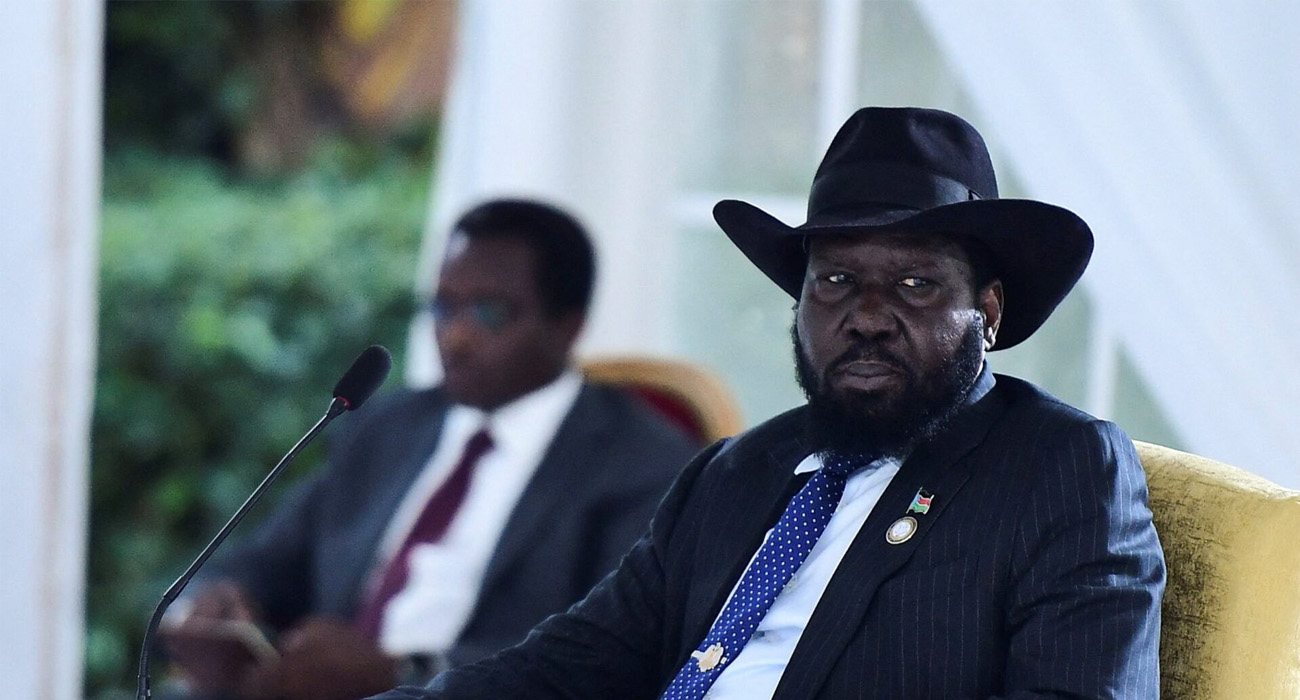
The latest postponement comes despite repeated commitments by President Salva Kiir’s administration to organise elections and end the prolonged transitional arrangements established under the country’s peace agreements.

South Sudan’s electoral delays date back to the political crisis that followed independence. Although the country became independent in 2011, a power struggle between Kiir and his former deputy, Riek Machar, triggered civil war in December 2013, disrupting plans to establish stable democratic institutions.
The conflict, which killed an estimated 400,000 people and displaced millions, eventually led to a revitalised peace agreement signed in September 2018. The agreement provided for a transitional government, political reforms, security arrangements and eventual elections.
A unity government was established in February 2020, bringing Kiir and Machar into a power sharing administration. Elections were expected to follow the transitional period, but disagreements over implementing the peace agreement repeatedly disrupted the timetable.
In August 2022, South Sudan’s political leaders extended the transitional period by two years, pushing elections to December 2024. The government argued that more time was needed to complete constitutional reforms, establish electoral institutions and unify rival armed forces.
Another postponement followed in September 2024, when the government announced a further two-year extension, shifting the elections to December 2026. International partners, including the United States, Britain, Norway and the European Union, criticised the decision and urged South Sudan’s leaders to fulfil their commitments under the peace agreement.
The latest adjustment to February 2027 is therefore the third major postponement of the country’s planned national elections, although the new delay is considerably shorter than the previous two.
Under the revised electoral calendar, voter registration is scheduled for Nov. 14 to 28, 2026, across South Sudan’s 10 states and three administrative areas. The commission has identified 3,161 registration centres and recruited 22,127 officials to conduct the exercise.
Commission Chairperson Gabriel Bol Deng said registration materials had reached state capitals but still needed to be distributed to individual centres. Candidate nominations are scheduled for December, while campaigns will run from Dec. 27, 2026, to Feb. 9, 2027. Final election results are scheduled to be declared Feb. 15.
Beyond logistical challenges, the elections face serious political and security concerns. Relations between Kiir and Machar have deteriorated, with Machar placed under house arrest in March 2025 and subsequently put on trial over allegations connected to an attack on a military garrison. He denies the charges.
In September 2026, Kiir dissolved the transitional unity government and appointed a caretaker administration, adding uncertainty to the political arrangements that were supposed to guide the country toward elections.
The United Nations and African Union have repeatedly warned that holding elections without sufficient security guarantees, political dialogue and institutional reforms could threaten the fragile peace established after the civil war.
During a briefing to the U.N. Security Council on Nov. 10, Anita Kiki Gbeho, head of the United Nations Mission in South Sudan, raised concerns about limited electoral participation beyond Kiir’s ruling Sudan People’s Liberation Movement. She stressed that elections should form part of the country’s transition rather than replace political dialogue and implementation of the peace agreement.
Security threats remain widespread. On Thursday, two delegates from the ruling party were killed in Western Equatoria state while returning from political activities, highlighting the dangers facing candidates and election organisers.
Civil society organisations have also questioned whether the country has adequate funding, independent institutions and a secure environment to conduct credible elections. Some have called for broader political consultations before the vote proceeds.
Despite these concerns, South Sudanese authorities maintain that elections are necessary to establish a government with a fresh democratic mandate and move the country beyond years of transitional leadership.
For millions of South Sudanese who have never participated in a national election since independence, the February 2027 date offers another opportunity to choose their leaders. Whether the vote takes place as scheduled will depend on the government’s ability to complete preparations, address security threats and secure broader political participation.
No part of this publication or its digital content may be reproduced, distributed, published, broadcast, rewritten, or redistributed in whole or in part without prior written permission from Kalisho Info.
For inquiries, contact: kalishoinfo@gmail.com
Stay informed and ahead of the curve! Follow Kalisho Info for real-time updates and breaking news.