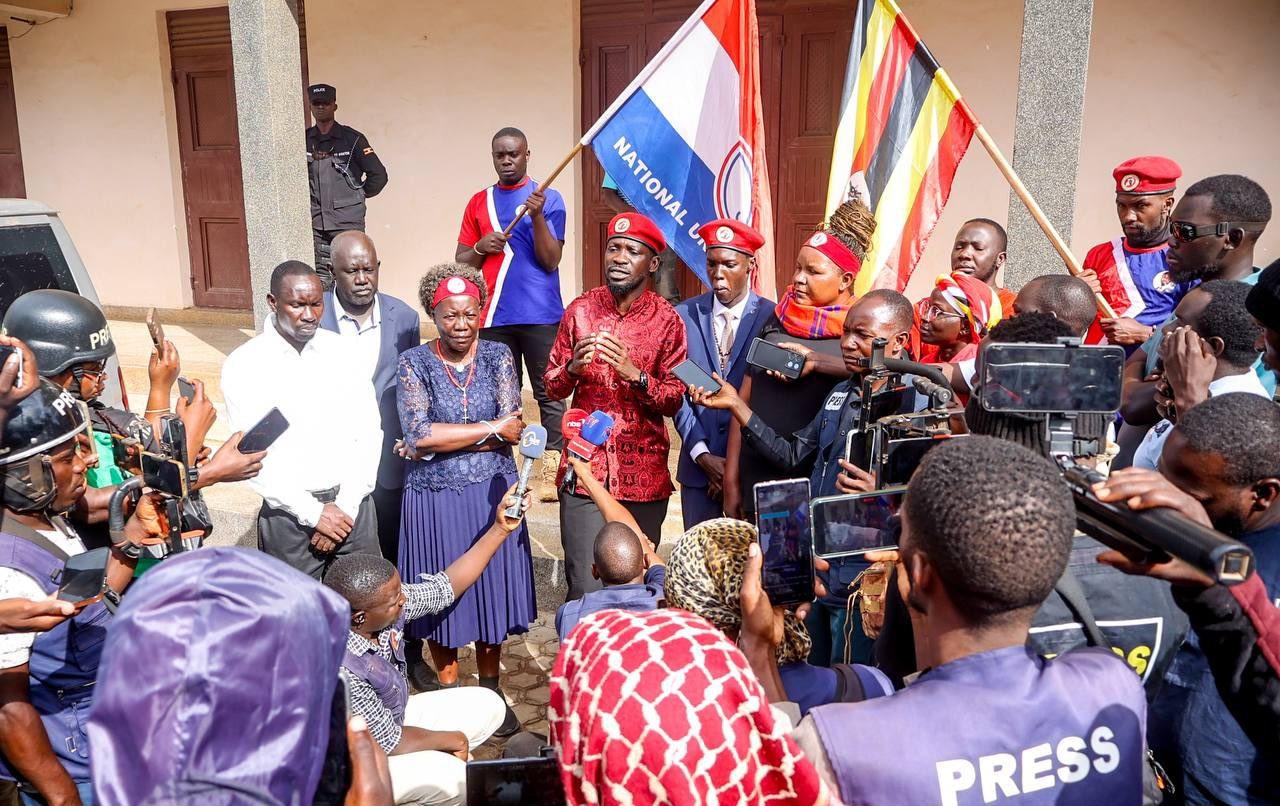

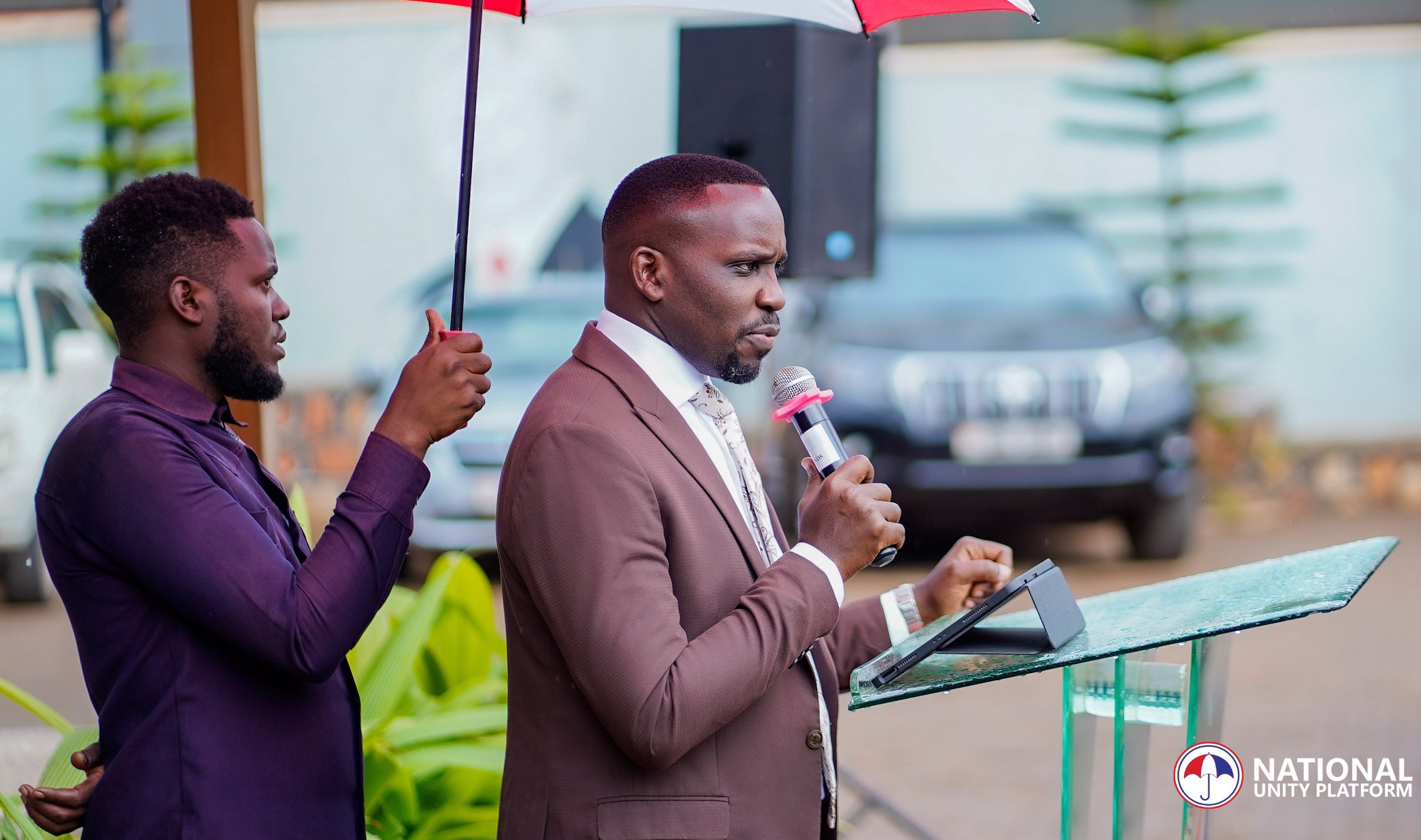
KAMPALA, Uganda — The National Unity Platform has unveiled its leadership slate for the 12th Parliament, triggering debate over gender representation within Uganda’s largest opposition party as it prepares to challenge the ruling National Resistance Movement in the new legislative term.

The list, released at the party headquarters in Makerere Kavule, confirmed Joel Ssenyonyi as Leader of the Opposition, a position he retained from the previous Parliament. Paul Mwiru was named Opposition Chief Whip, while John Baptist Nambeshe retained his role as Parliamentary Commissioner. Patrick Nsamba was selected to chair the Public Accounts Committee.
Most of the top parliamentary and shadow cabinet positions were handed to senior male legislators, prompting criticism from gender advocates and some party supporters who argued that the lineup does not reflect the inclusivity the party has often championed.
NUP Secretary General David Lewis Rubongoya defended the selections, saying the appointments were based on merit, experience and resilience demonstrated during politically difficult periods.

“These comrades have stood firm against repression and delivered for their constituents. Competence and loyalty to the NUP vision guided every decision,” Rubongoya told reporters.
Uganda’s political system reserves parliamentary seats for district women representatives, but constituency seats and influential leadership positions remain largely dominated by men across major political parties.
Critics said NUP, which has built much of its support among young voters and urban communities, should have used the parliamentary appointments to demonstrate stronger commitment to gender balance.
Some party insiders said the vetting process favored incumbents and prominent mobilizers who performed strongly during the January 2026 general elections, particularly in the party’s urban strongholds.
A senior female NUP legislator, who spoke on condition of anonymity because she was not authorized to comment publicly, expressed disappointment with the outcome.
“We fought hard on the campaign trail. Many of us won against heavy odds. Yet when the big seats are shared, it feels like the same old story,” she said.
The leadership announcement comes weeks after the general elections in which NUP retained its position as the largest opposition bloc in Parliament despite reporting campaign disruptions and alleged financial inducements by political rivals.
With President Yoweri Museveni’s NRM maintaining a comfortable parliamentary majority, political analysts say NUP’s effectiveness will largely depend on how strongly it uses oversight committees and parliamentary debate to hold government accountable on issues such as corruption, unemployment and public service delivery.
Party president Robert Kyagulanyi, widely known as Bobi Wine, is expected to address the parliamentary caucus in the coming days, with party sources indicating that unity and discipline will be central themes of his message.
Analysts also warned that the gender imbalance in the top parliamentary lineup could affect NUP’s appeal among female and younger voters who have formed a key part of the party’s support base in recent election cycles.
Although party officials have hinted at possible adjustments in lower-level shadow cabinet roles to improve gender and regional representation, the core leadership structure appears set for the opening parliamentary session.
The latest appointments have reignited wider debate about whether Uganda’s political parties are doing enough to move beyond traditional power structures despite growing calls for broader inclusion in national leadership.
No part of this publication or its digital content may be reproduced, distributed, published, broadcast, rewritten, or redistributed in whole or in part without prior written permission from Kalisho Info.
For inquiries, contact: kalishoinfo@gmail.com
Stay informed and ahead of the curve! Follow Kalisho Info for real-time updates and breaking news.