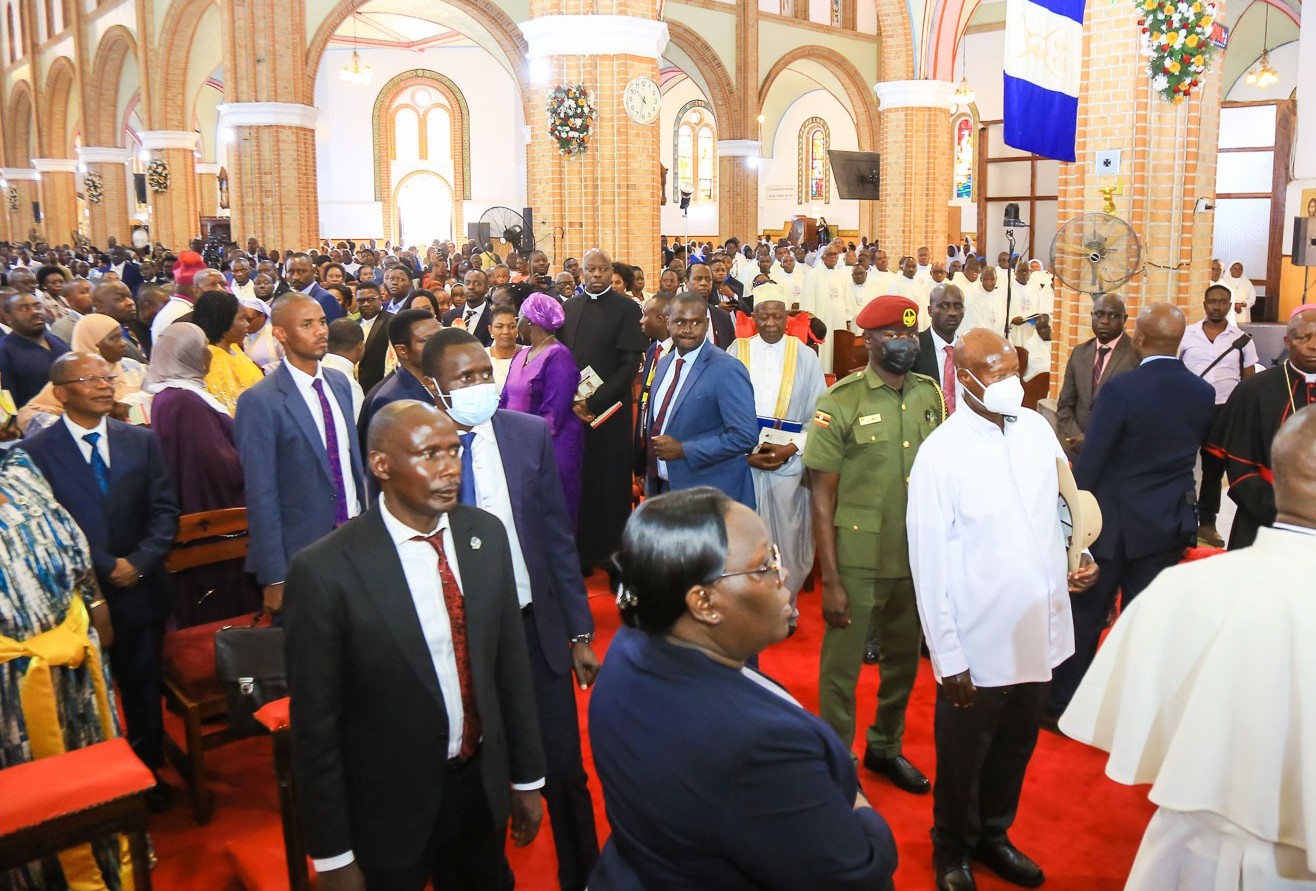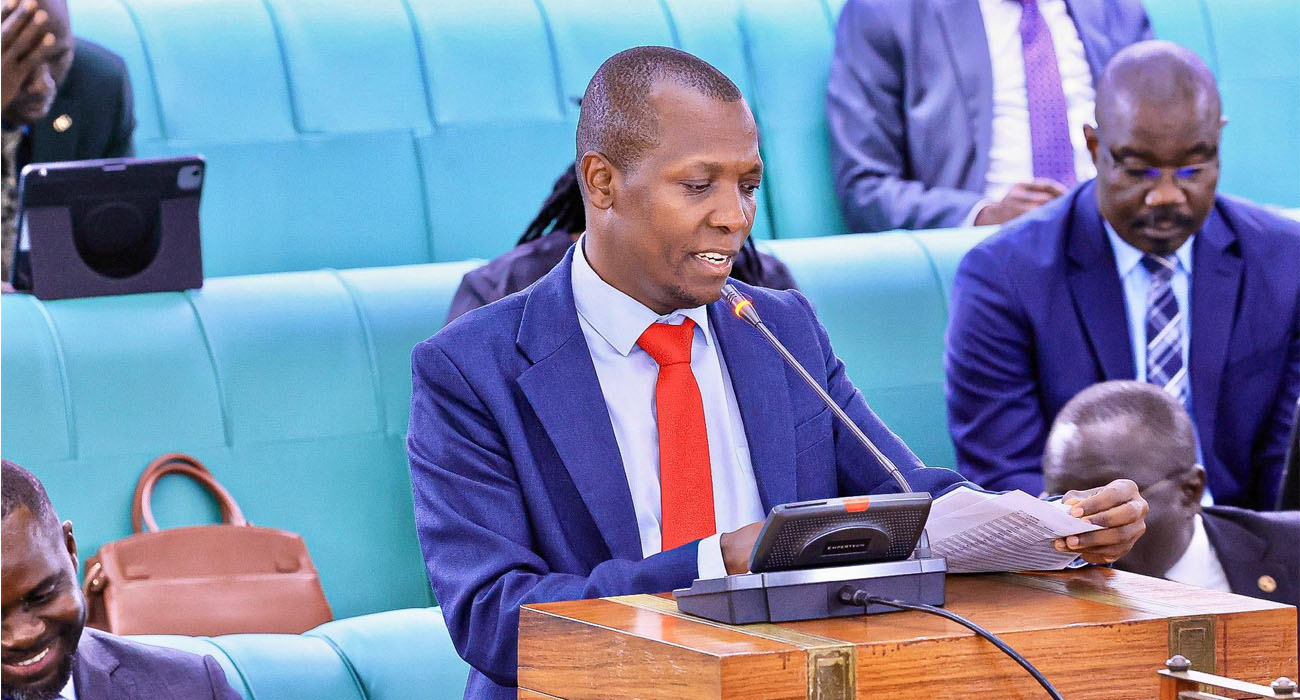

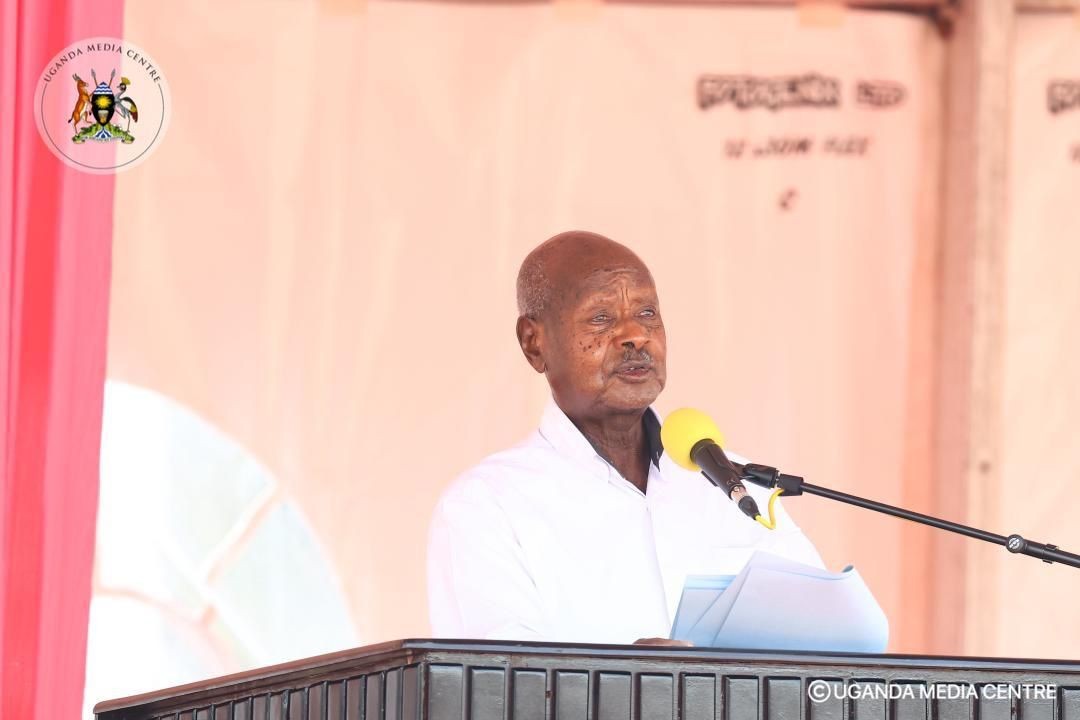
KAMPALA, Uganda — President Yoweri Museveni used his 2026 State of the Nation Address on Thursday to urge Ugandans to embrace greater discipline, productivity and accountability, but the speech drew criticism from some observers who said it largely revisited longstanding themes without offering new solutions to the country’s pressing challenges.

Addressing Parliament and very few invited guests at Kololo Ceremonial Grounds, Museveni, now serving his seventh elected term, called for what he described as a “No More Sleep” approach to national development, urging citizens and public officials to reject complacency, corruption and poor performance.
The president highlighted what he described as the achievements of the ruling National Resistance Movement government over the past four decades, citing economic growth, poverty reduction and expansion in exports. He noted that Uganda’s gross domestic product had grown from about $3.9 billion in 1986 to approximately $70 billion today.
Museveni also pointed to government initiatives such as the Parish Development Model and Emyooga, presenting testimonials from beneficiaries who have transitioned into commercial agriculture. He praised growth in coffee and dairy production and criticized public servants who demand allowances and facilitation while failing to effectively supervise government programs.

“This time, I am not interested in non performers,” Museveni said, warning against what he termed “parasitism” and reiterating his call for Ugandans to participate in the money economy through agriculture, manufacturing, services and information technology.
While the address reinforced the government’s long standing development agenda, it offered few new policy proposals, timelines or accountability measures. Analysts noted that key concerns facing many Ugandans, including youth unemployment, the rising cost of living, public debt, service delivery gaps, corruption scandals and the country’s Ebola response, received limited attention.
The speech also devoted considerable time to historical reflections and personal accounts from Museveni’s political mobilization efforts dating back to the 1960s and 1970s, a feature that is common in many of his national addresses.
In comparison, state of the nation speeches in several developing countries increasingly focus on measurable policy targets and detailed implementation plans. Leaders in countries such as South Africa, India and Brazil often use such platforms to outline legislative priorities, economic reforms, infrastructure investments and governance initiatives supported by specific timelines and performance indicators.
South African President Cyril Ramaphosa, for example, has frequently framed national priorities around economic growth, job creation, infrastructure development and anti corruption efforts, while linking government commitments to measurable outcomes. Similar approaches have been adopted in India and parts of Latin America, where national addresses often serve as roadmaps for policy implementation and budget priorities.
In Uganda, reactions to the address reflected mixed public sentiment. Supporters pointed to the country’s economic progress and stability under Museveni’s leadership, while critics argued that many citizens continue to struggle with unemployment, high prices and limited economic opportunities despite years of government promises.
As Uganda seeks to accelerate its development agenda while confronting public health concerns and economic pressures, analysts say future national addresses may face increasing expectations for greater transparency, measurable targets and clearer strategies for addressing persistent challenges.
Attention now shifts to the national budget presentation scheduled for June 11, where government is expected to provide more detailed plans on spending priorities and economic policy for the coming financial year.
No part of this publication or its digital content may be reproduced, distributed, published, broadcast, rewritten, or redistributed in whole or in part without prior written permission from Kalisho Info.
For inquiries, contact: kalishoinfo@gmail.com
Stay informed and ahead of the curve! Follow Kalisho Info for real-time updates and breaking news.