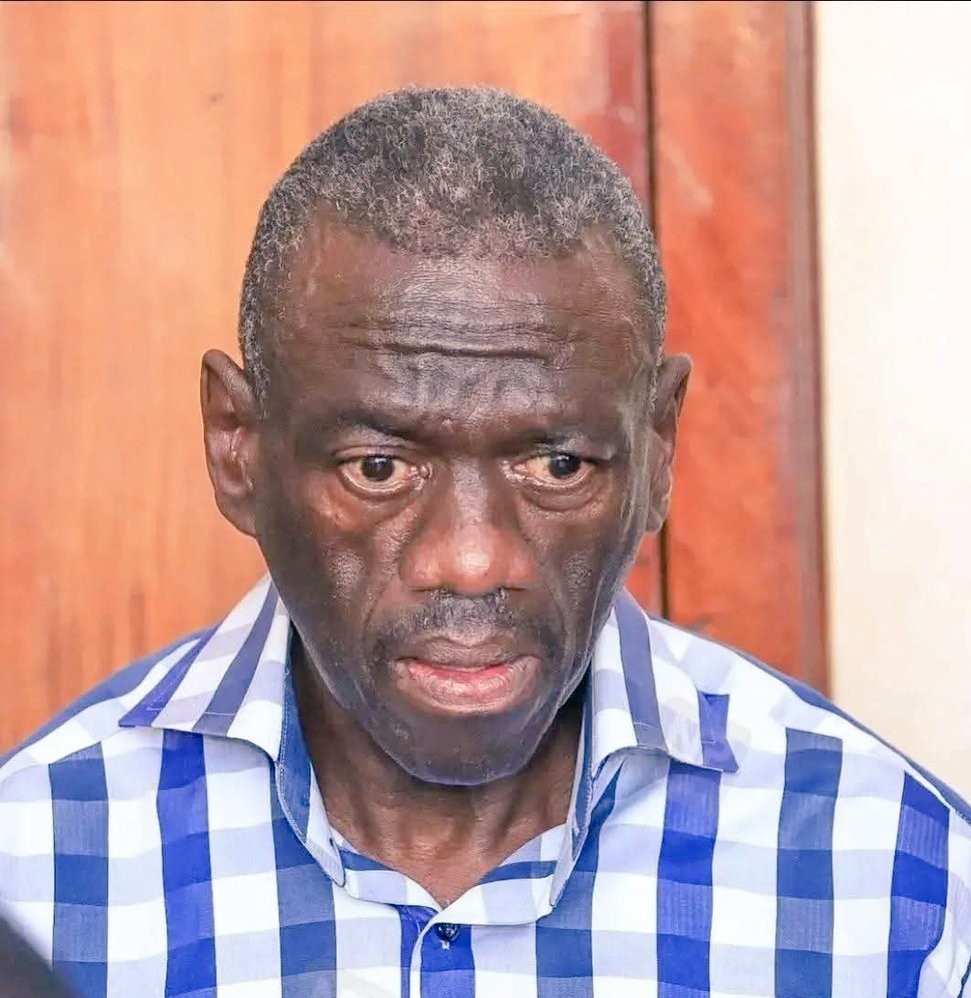

KAMPALA, Uganda — Leader of the Opposition Joel Ssenyonyi has tabled Parliament’s official opposition response to President Yoweri Kaguta Museveni’s 2026 State of the Nation Address, arguing that the President’s speech painted an incomplete picture of the country’s realities by overlooking pressing economic and social challenges facing millions of Ugandans.

Presenting the 14 page document titled Opposition Response to the State of the Nation Address, 2026, Ssenyonyi said the annual address, delivered under Article 101 of the Constitution, should provide an honest assessment of the country’s progress and shortcomings. Instead, he said, it focused heavily on the National Resistance Movement’s historical achievements and government successes while giving little attention to growing public concerns over debt, poverty, health care, education, corruption and human rights.
The opposition acknowledged the government’s reported economic gains, including gross domestic product growth to about USD 69.3 billion and an increase in per capita income to USD 1,420. However, Ssenyonyi questioned whether those figures reflected improvements in the lives of ordinary Ugandans.
Quoting Ministry of Finance data, he noted that rural poverty remains significantly higher than urban poverty, with 19.4 percent of rural residents living below the poverty line compared with 10.3 percent in urban areas. He added that seven subregions, home to about 44 percent of Uganda’s population, account for nearly 70 percent of the country’s poor.

The opposition described Uganda’s growing public debt as one of the country’s most serious economic risks. According to the report, public debt has increased from about Shs 70 trillion in the 2020/21 financial year to more than Shs 126.19 trillion, representing an 80 percent increase in five years.
Ssenyonyi said the debt to GDP ratio has reached 53 percent, exceeding the 50 percent limit set under Uganda’s Charter for Fiscal Responsibility. Interest payments alone are projected to reach Shs 13 trillion in the 2026/27 financial year, while cumulative interest payments over six years are expected to total Shs 46.9 trillion. The report also questioned the allocation of Shs 185.5 billion in commitment fees for undrawn loans.
The opposition further cited Auditor General reports highlighting poor implementation of several publicly funded projects, including the Lubowa Specialized Hospital project, the Roko Construction bailout, DEI Biopharma, Inspire Africa Coffee and Atiak Sugar Factory.
On the cost of living, Ssenyonyi said many Ugandans continue to struggle with rising food prices, fuel costs exceeding Shs 6,500 per litre in some upcountry areas and limited employment opportunities.
According to the report, only about 9.4 million Ugandans are in formal employment out of a population of 45.9 million recorded in the 2024 National Population and Housing Census. Approximately 700,000 young people enter the labour market every year, while manufacturing contributes only 8.4 percent of GDP and employs just 8.3 percent of the workforce.
The report also noted that an estimated 500,000 Ugandans sought employment abroad between 2020 and 2025, mainly in Middle Eastern countries, where many reportedly faced exploitative working conditions. Ssenyonyi rejected suggestions that those leaving Uganda were abandoning what government describes as “a paradise.”
On corruption, the opposition cited the Inspectorate of Government’s 2024/25 report estimating annual losses of about Shs 10 trillion through corruption. It also referred to the Auditor General’s 2025 report, which found financial irregularities in 72 percent of audited government entities, while only 31 percent of audit recommendations from the previous financial year had been fully implemented by January 2026.
The report also raised concerns about human rights, saying the Uganda Human Rights Commission registered more than 1,200 complaints involving arbitrary arrests, torture, enforced disappearances and unlawful detention between January and April 2026, representing a 34 percent increase compared with the previous period.
It further stated that at least 47 journalists were arrested or harassed during the past year and that Uganda’s prisons currently hold about 70,000 inmates despite having capacity for only 18,500, with more than half of prisoners remaining on remand.
In the health sector, Ssenyonyi said the approved Shs 5.7 trillion budget for the 2026/27 financial year accounts for only 6.1 percent of the national budget, well below the 15 percent target set under the Abuja Declaration. He added that Uganda spends about USD 37 per person on public health annually, compared with the World Health Organization’s recommended minimum of USD 86.
The report also highlighted persistent shortages of medicines, a doctor to patient ratio of one doctor for every 25,000 people and high out of pocket health expenses. It renewed calls for accountability and completion of the Lubowa Specialized Hospital project.
On education, the opposition cited inadequate infrastructure, noting that inspections found 136 secondary schools without science laboratories. It also pointed to poor learning outcomes, saying more than 60 percent of Primary Six learners cannot read a simple English passage or perform basic numeracy, while the Universal Primary Education capitation grant remains at Shs 18,600 per learner annually.
Although agriculture employs about 68 percent of Uganda’s workforce, Ssenyonyi said productivity remains low because of inadequate irrigation, weak extension services and accountability concerns surrounding the Parish Development Model. According to the report, only 4.6 percent of cultivated land is irrigated, while one agricultural extension worker serves approximately 2,000 farmers instead of the recommended ratio of one to 400.
The opposition acknowledged improvements in tourism, where international arrivals increased by 19.7 percent to 1.64 million visitors in 2025, generating an estimated Shs 5.8 trillion in earnings. However, it argued that the sector remains underfunded despite its growing contribution to the economy.
The report also raised concerns over continued deforestation, degradation of wetlands, low electricity access, with only one quarter of Ugandans connected to the national grid, and transparency issues involving expenditure under the Office of the President and the Office of the Prime Minister.
Among its recommendations, the opposition called for increased funding to clear transport arrears, quarterly audited reports on major infrastructure projects, cleaning of government payrolls and Parish Development Model beneficiary registers, stronger accountability mechanisms within local governments and stricter enforcement of environmental protection and human rights laws.
Ssenyonyi said the response was compiled using data from the Auditor General, Uganda Bureau of Statistics, the Ministry of Finance, parliamentary committee reports and other official government publications.
He concluded that while Uganda has registered progress in several sectors, much more remains to be done to improve the welfare of ordinary citizens. Parliament is expected to debate the opposition response in the coming days.
No part of this publication or its digital content may be reproduced, distributed, published, broadcast, rewritten, or redistributed in whole or in part without prior written permission from Kalisho Info.
For inquiries, contact: kalishoinfo@gmail.com
Stay informed and ahead of the curve! Follow Kalisho Info for real-time updates and breaking news.