
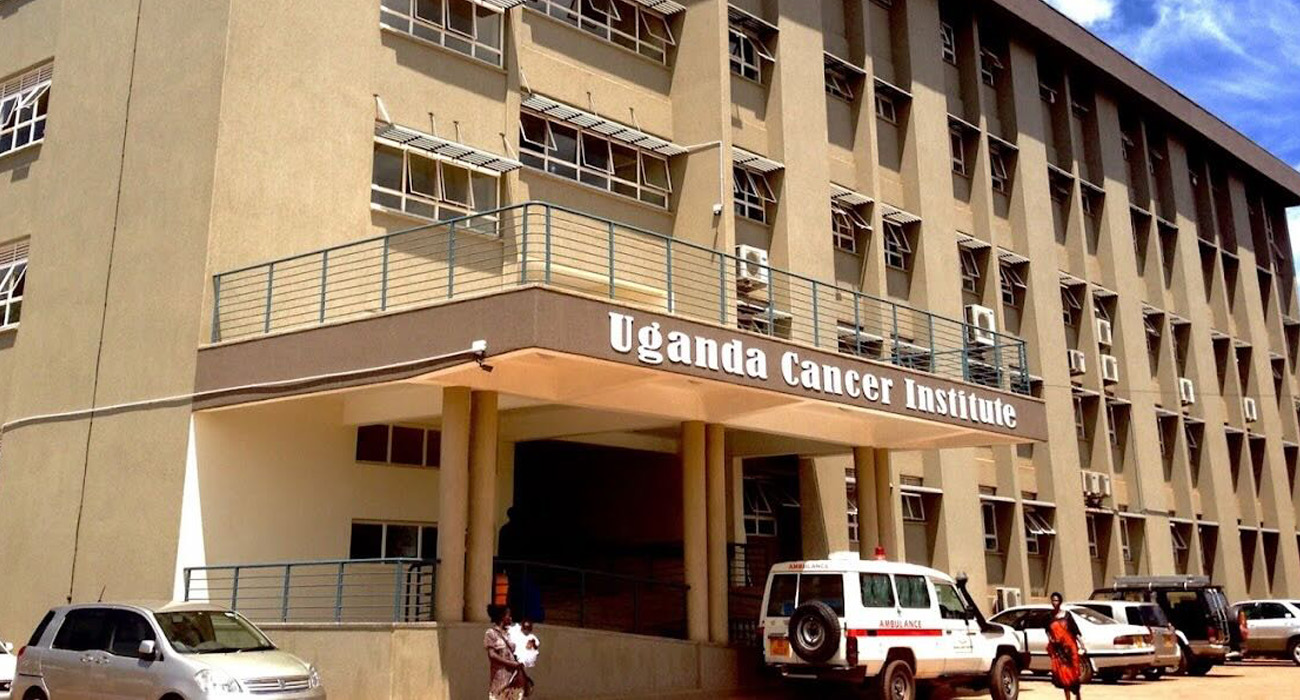
KAMPALA, Uganda — The Uganda Cancer Institute (UCI) has warned that prostate cancer cases are likely to increase as Ugandans live longer, raising fresh concerns about late diagnosis and limited access to screening services across the country.

Dr. Alfred Jatho, head of Community Cancer Services at UCI, said the disease remains the most commonly diagnosed cancer among Ugandan men, with an estimated 2,537 new cases recorded annually.
Speaking during activities marking Prostate Cancer Awareness Month in November, Jatho explained that improvements in life expectancy, although a positive development, would expose more men to age related illnesses, including prostate cancer.
He noted that the risk of developing prostate cancer increases with age, meaning Uganda’s growing population of older men could lead to more diagnoses in the coming years.

However, the institute’s greatest concern is not simply the anticipated increase in cases but the stage at which patients seek medical attention.
According to Jatho, approximately 80% of prostate cancer patients arrive at treatment facilities when the disease has already progressed to stage three or four, making treatment more complicated and reducing the chances of successful outcomes.
He attributed the high number of late diagnoses to limited public awareness, reluctance among men to undergo prostate examinations and inadequate diagnostic services, particularly in rural communities.
The situation is especially concerning because prostate cancer can develop without noticeable symptoms during its early stages. As a result, some men only visit health facilities when the disease has become more difficult to manage.
Jatho identified difficulty passing urine, blood in urine and persistent lower back pain as possible warning signs that require medical examination. However, such symptoms can also result from other conditions and do not necessarily indicate cancer.
The institute is encouraging men aged 40 and above to consult qualified health professionals about their prostate cancer risk and whether screening would be appropriate.
Men with a family history of prostate cancer may face a higher risk and should discuss their screening options with medical professionals earlier.
One commonly used screening method is the prostate specific antigen (PSA) blood test, which measures the level of a protein produced by the prostate gland. Elevated levels may indicate a prostate problem, although they do not automatically mean a person has cancer.
Doctors may also recommend a digital rectal examination to check for abnormalities. Further investigations, including a biopsy, may be necessary when initial findings raise concerns.
Screening decisions should be made with medical guidance because PSA testing can sometimes produce misleading results or identify slow growing cancers that might never cause serious illness.
The warning comes amid wider concerns about men’s reluctance to seek preventive health care.
Jatho urged spouses, children and community leaders to encourage men to attend medical examinations rather than waiting until their health deteriorates.
He also encouraged healthier eating habits, regular physical activity and maintaining a healthy body weight. Although these measures support general health, they cannot guarantee protection against prostate cancer.
Previous findings from the Uganda Cancer Institute have highlighted the scale of the problem. In November 2025, consultant oncologist Dr. Fred Okuku reported that prostate cancer accounted for 18% of new adult cancer cases at the institute’s Mbarara centre, compared with 11% in Kampala and 13% in Gulu.
A 2024 study published in African Health Sciences also found substantial delays in prostate cancer diagnosis among patients at UCI. More than 80% of patients examined in the study were diagnosed at stage three or four, underscoring the need for earlier medical assessment.
The institute has continued to advocate improved diagnostic services, public education and access to appropriate treatment as Uganda confronts the growing burden of cancer.
The latest warning comes as Parliament also promotes men’s health screening. Speaker Jacob Marksons Oboth announced a medical screening exercise beginning Nov. 11, covering conditions including prostate cancer, hypertension, diabetes and HIV.
For health officials, the message remains clear: Uganda’s progress in extending life expectancy must be matched by stronger health services capable of detecting and treating diseases associated with aging.
Without greater awareness and timely medical intervention, the country risks seeing more men diagnosed with prostate cancer at stages when treatment is more difficult and costly.
No part of this publication or its digital content may be reproduced, distributed, published, broadcast, rewritten, or redistributed in whole or in part without prior written permission from Kalisho Info.
For inquiries, contact: kalishoinfo@gmail.com
Stay informed and ahead of the curve! Follow Kalisho Info for real-time updates and breaking news.