
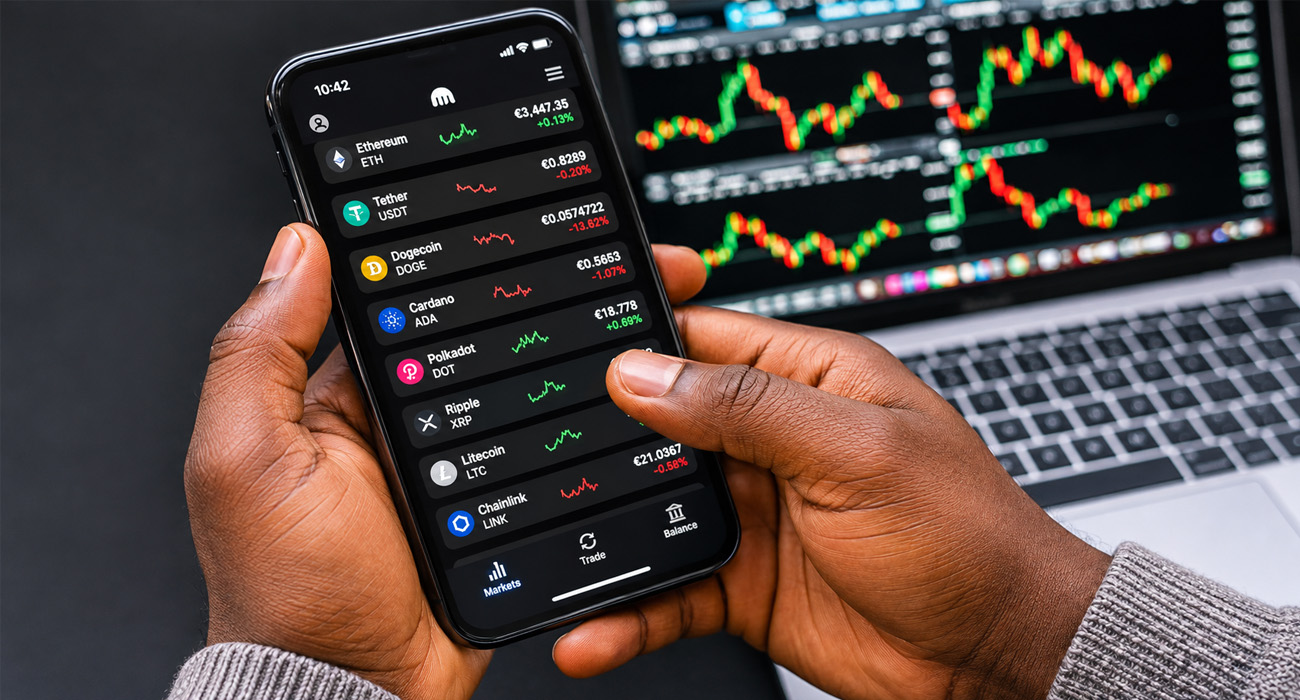
A few years ago, I interfaced with several Youthful Ugandans who lost money to fraudulent forex brokers. More youth within my circle do Forex trading in this country than those who invest in mainstream capital markets securities such as shares, bonds, ETFs, or even Unit trusts that the Capital Markets Authority approves. The internet and global interconnectivity have made Forex trading more accessible to youth than approved capital markets products.

What you should understand is that many of the “flashy boys” on social media who boast about making a lot of money from forex trading often don’t actually earn from real boring trading activities. Certain foreign forex brokerage companies provide them with referral links and codes. This allows them to uniquely identify every customer they recruit to the platform, earning a fee for each person they bring in. they are just paid promoters of certain platforms.
Trading is not a get-rich-quick activity; it takes years of experience and education. Many of these social media forex promoters share screenshots of their so-called trading success, but if you look closely, you’ll find that these are often from demo accounts. You can identify a demo account screenshot because it typically doesn’t display any fees, such as commissions or spreads, associated with a trade. In reality, every live trading experience incurs fees when executing trades.
When you engage with these individuals, you may notice they lack a deep understanding of financial markets. They often pretend to offer educational packages that turn out to be superficial and lacking depth, yet they charge a significant amount of money for them.

Unlike the Capital Markets Authority of Kenya, which enacted regulations for Forex dealing and non-dealing brokers, in Uganda, our regulator, the Capital Markets Authority, has no such regulations on its books. However, the absence of these regulations in Uganda doesn’t mean that there are no Global certification standards that these online Forex brokerages should follow.
As you read this write-up, kindly distinguish between the business of a Forex bureau regulated by the Bank of Uganda and Forex trading. In forex trading, you are taking positions in the market for “investment purposes,” either through spot contracts or derivatives. Most of these dealing/non-dealing Forex brokerages utilize something called “A Contract for Difference (CFD),” which is, is an agreement between a buyer and a seller in which the buyer agrees to pay the seller the difference between the current value of an asset and its value at the time the contract is entered into.
CFDs provide traders and investors with a chance to make gains from price fluctuations without having to possess the actual assets. The CFD’s worth is solely based on the difference in price between when the trade begins and when it concludes, without considering the asset’s fundamental value.
The Capital Markets Authority and not the Bank of Uganda should regulate trading activities where people take positions in a market. The business of a forex bureau doesn’t invite the public to take positions in the market, but forex trading does. I should make this pre-emptive disclaimer to dispel any regulatory confusion that might arise from this write-up.
The word “brokerage” in the business of forex trading means that the company is supposed to broker business between the trader and the institution trader with access to the market. In this case, the institution may be a bank that files a trade. The brokerage company is paid a commission on every transaction the institution files.
Most online brokerages that target Ugandans lack access to the real market. Some of these companies may buy servers and access the real market. However, their accounts don’t have genuine clients in the regular market system. This usually helps these companies manipulate price movements in their favor. They also play around with the design that sets the amount they pay back less than they receive. Most forex companies here don’t have a “liquidity provider.” The liquidity provider acts at both ends of currency transactions. He sells and buys a particular asset at specific prices. It means that he is making the market. These are usually companies independent of the online forex brokers.
Liquidity providers are fundamental for the success of electronic trading in today’s financial market since they ensure a steady supply of liquidity. This indicator reflects how quickly an instrument turns into cash without fluctuating its price. Global forex trading certification standards require a liquidity provider. However, most forex brokerages targeting Ugandans online don’t have them.
This is how most fraudulent online forex brokerages operate. They start by opening an offshore account in a country where they can set up robust IT systems. They obtain these servers at just $20,000. They then collect a lump sum of money from new traders to play subsisting clients by giving them some of the winning trades.
They always keep their financial books updated every midnight. With each new trading day, they decide how much profit and loss to distribute to their clients. For example, if the platform earns $100,000, the proprietors can distribute just $5000 to clients. They keep manipulating the market. Those with accounts with small deposits of about $200 up to $1000 lose out the most because these forex brokerages decide what to give back to their clients, regardless of market price movements.
These fraudulent brokerages always create demo servers that give them access to the market to manipulate prices. We have seen this with online brokerages at open prices and the New York session. They usually don’t have a bank to file their trades.
Forex companies targeting Ugandans use their own money to operate without the backing of a liquidity provider. Recently, a youthful Ugandan attempted to sue a company that had failed to pay him 20000 dollars. Unfortunately, the company is an offshore entity with no office in Uganda. This creates jurisdiction issues in law, especially if you institute civil proceedings in Ugandan courts.
Globally, there are “A-book” brokerage companies and “B-book” companies in the forex markets. In Africa, it’s hard to find A-book servers operating in strict countries like South Africa with competent financial regulators. B book companies always run to fertile ground like Uganda, where people have little understanding of such business and governments don’t ask for “liquidity providers” and large sums of money to act as capital buffers.
I was recently involved in a legal transaction on behalf of a reputable company that declined to be a liquidity provider for several forex brokerage companies operating in Uganda. Most brokerages don’t meet the necessary global certification requirements. When these brokerages fail to get reputable liquidity providers, they always use their companies’ operational money or client’s money, which is against global brokerage certification standards. This mode of operation, inadvertently or not, will make them trade against clients to keep in the market.
By Louis N. Kizito, a lawyer and partner at Pentagon Advocates
No part of this publication or its digital content may be reproduced, distributed, published, broadcast, rewritten, or redistributed in whole or in part without prior written permission from Kalisho Info.
For inquiries, contact: kalishoinfo@gmail.com
Stay informed and ahead of the curve! Follow Kalisho Info for real-time updates and breaking news.