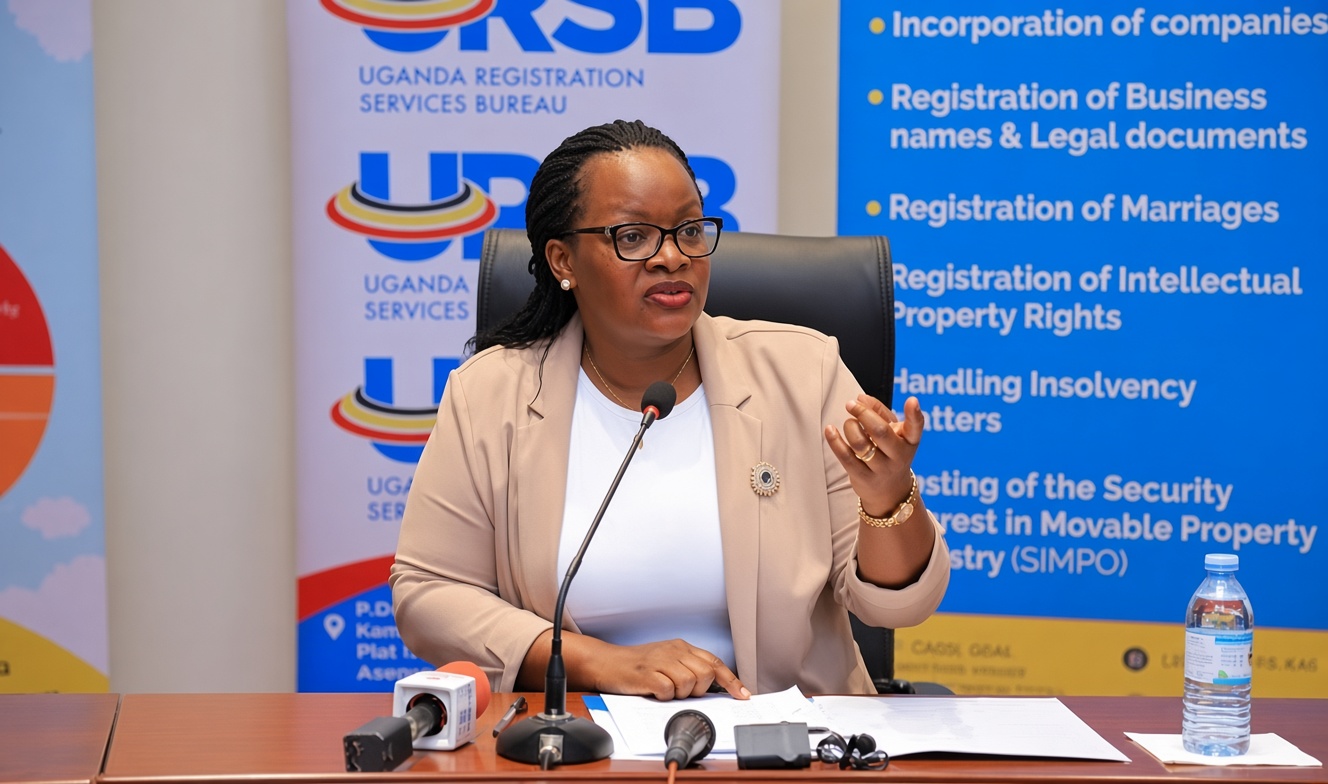

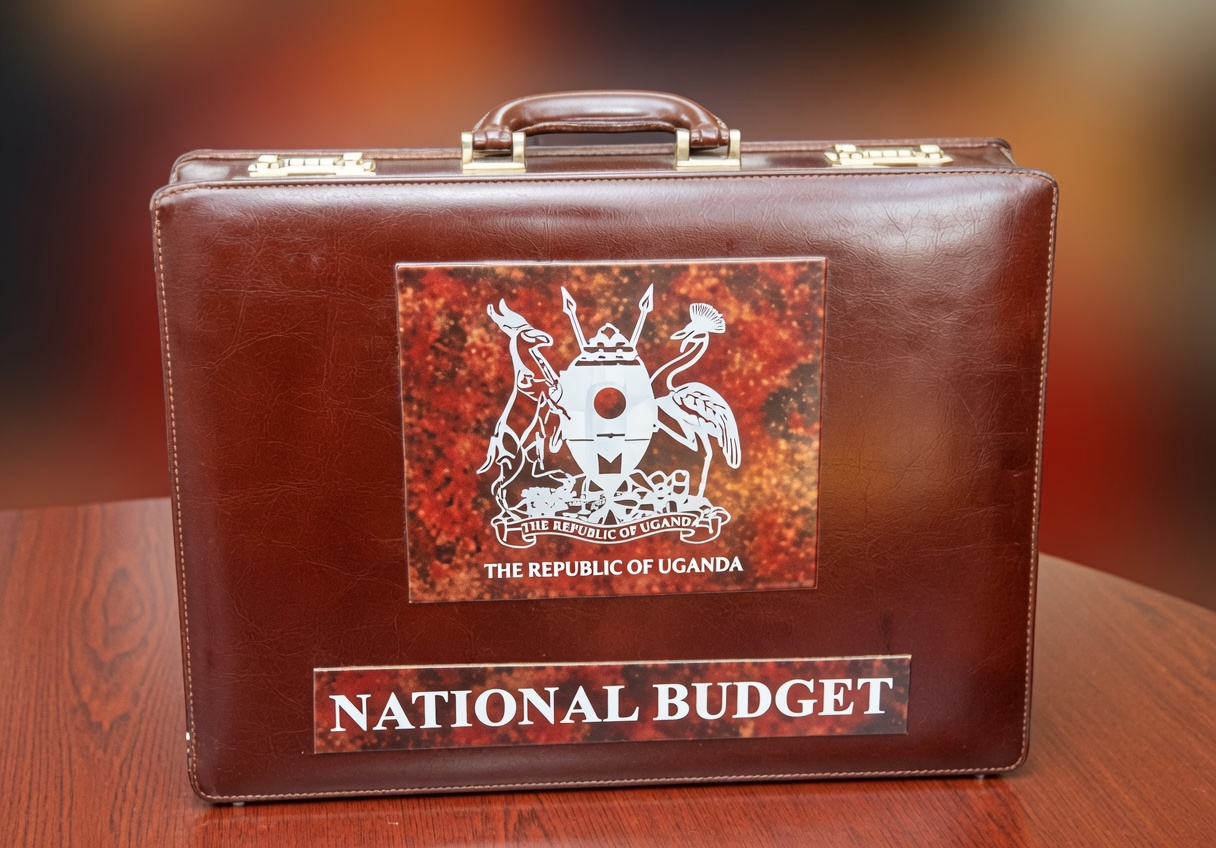
When Finance Minister Henry Musasizi rises to deliver Uganda’s FY2026/27 national budget at Kololo Ceremonial Grounds on June 11, he will be presenting far more than a statement of government spending. His maiden budget will serve as a test of whether Uganda can reconcile its grand development ambitions with increasingly difficult fiscal realities.

At UGX 84.3 trillion, the budget is the largest in Uganda’s history, representing a substantial increase from the UGX 72.4 trillion allocated in the previous financial year. It is also the first budget to be implemented under the Fourth National Development Plan and the broader Vision 2050 framework, both of which seek to transform Uganda into a modern and prosperous economy capable of reaching a projected value of USD 500 billion within the coming decades.
The theme, “Full Monetization of Uganda’s Economy Through Commercial Agriculture, Industrialization, Expanding and Broadening Services, Digital Transformation and Market Access,” reflects the government’s long standing belief that economic transformation will come from moving millions of Ugandans from subsistence production into the cash economy.
The vision is compelling. The challenge lies in execution.

Uganda enters the new financial year with economic indicators that appear encouraging on the surface. Growth has remained relatively strong, estimated at more than 6 percent, inflation is largely under control, household consumption has improved, and investment activity continues to expand. Expectations surrounding the anticipated commencement of commercial oil production have further strengthened confidence in the country’s medium term prospects.
Yet beneath these positive indicators lies a more complicated fiscal picture.
Public debt has climbed to approximately UGX 130 trillion, a level that now exceeds half of the country’s gross domestic product. More significantly, debt servicing has become one of the largest claims on public resources. Estimates suggest that debt repayments could consume close to UGX 33 trillion this financial year, representing nearly 40 percent of the entire budget.
This reality raises a difficult but unavoidable question: how can Uganda sustain ambitious development spending when such a large share of public revenue is already committed to servicing past obligations?
The consequences are increasingly visible. Every shilling directed toward debt repayment is a shilling unavailable for health care, education, agricultural modernization, research, social protection, or job creation. While government officials maintain that borrowing has financed transformative infrastructure, critics argue that the returns on many projects have yet to match the scale of investment.
This tension between ambition and affordability will define the success or failure of the FY2026/27 budget.
At the center of government strategy remains President Yoweri Museveni’s enduring economic philosophy. For decades, Museveni has argued that Uganda’s transformation depends on moving households from subsistence activities into income generating enterprises. Through initiatives such as the Parish Development Model and the four acre model, the government hopes to commercialize agriculture at the household level while creating demand for industrial products and services.
The budget’s emphasis on commercial agriculture, agro industrialization, irrigation, value addition and market access reflects this philosophy. In theory, the approach is logical. Agriculture remains the largest source of employment, and improvements in productivity could raise incomes for millions of rural households.
However, monetization alone does not automatically translate into prosperity.
The challenge is not merely producing more agricultural output. It is ensuring access to reliable markets, affordable financing, quality infrastructure, storage facilities, processing capacity and stable pricing. Uganda has repeatedly launched ambitious agricultural programs, yet implementation weaknesses have often limited their impact. Unless these structural obstacles are addressed, increased allocations may generate headlines without delivering meaningful transformation.
The same concerns apply to infrastructure and industrialization.
Successive budgets have prioritized roads, energy generation, oil infrastructure and major transport projects such as the Standard Gauge Railway. These investments are intended to lower production costs and position Uganda as a regional economic hub. Yet delays, cost overruns and accountability concerns continue to undermine public confidence. The issue is no longer whether Uganda should invest in infrastructure. The issue is whether the country can maximize value from every borrowed shilling.
This is where Parliament assumes a particularly important role.
One of the more significant developments surrounding this budget cycle has been the growing emphasis on oversight rather than simply approving expenditure. The legislature has increasingly signaled its intention to scrutinize implementation, monitor project performance and demand greater accountability from spending agencies.
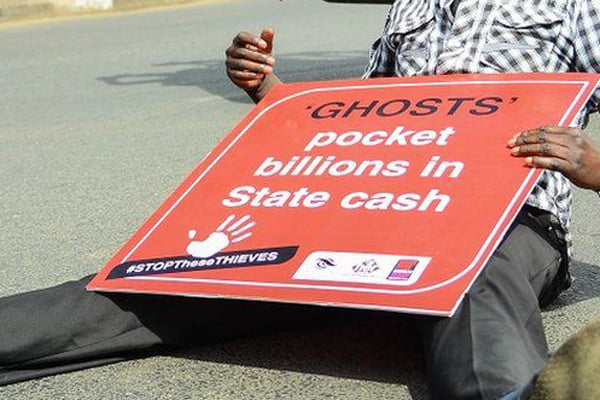
For years, criticism of Uganda’s budgeting process has centered on the gap between allocations on paper and outcomes on the ground. Roads remain unfinished, public facilities operate below expectations, and reports of waste and corruption continue to emerge. If Parliament successfully strengthens oversight and follows spending beyond the appropriation stage, it could become one of the most important drivers of improved public service delivery.
Effective oversight may ultimately prove more valuable than additional spending.
The coming financial year also arrives at a pivotal political and economic moment. Uganda has emerged from another election cycle, continues to navigate regional dynamics within the East African Community, and stands on the threshold of becoming an oil producing nation. These developments create opportunities but also introduce new risks.
Oil revenues could provide much needed fiscal relief and support development spending. Yet experience from resource rich countries around the world demonstrates that oil wealth alone does not guarantee prosperity. Strong institutions, transparent management and disciplined fiscal planning will determine whether Uganda avoids the mistakes that have trapped many resource dependent economies.
Climate change presents another major uncertainty. Agriculture remains highly vulnerable to weather shocks, making irrigation, climate adaptation and environmental resilience essential components of any credible monetization strategy. At the same time, Uganda’s youthful population continues to grow rapidly, increasing pressure on government to create jobs at a pace rarely achieved in the country’s history.
Ultimately, the FY2026/27 budget is not short on ambition. What remains uncertain is whether ambition can overcome the constraints imposed by debt, implementation weaknesses and governance challenges.
The numbers will undoubtedly dominate headlines. Yet the true measure of success will not be found in the size of the budget or the scale of allocations. It will be found in whether farmers earn more from their production, whether young people find meaningful employment, whether public services improve, and whether taxpayers see tangible returns from the resources committed in their name.
For Minister Musasizi, this first budget offers an opportunity to demonstrate that Uganda can pursue growth without sacrificing fiscal discipline. For Parliament, it is a chance to prove that oversight can be more than a constitutional obligation. And for the government as a whole, it is a moment to show that monetization is not simply a political slogan but a practical pathway to shared prosperity.
The budget’s promise is significant. The burden of proving it can deliver may be even greater.
No part of this publication or its digital content may be reproduced, distributed, published, broadcast, rewritten, or redistributed in whole or in part without prior written permission from Kalisho Info.
For inquiries, contact: kalishoinfo@gmail.com
Stay informed and ahead of the curve! Follow Kalisho Info for real-time updates and breaking news.