
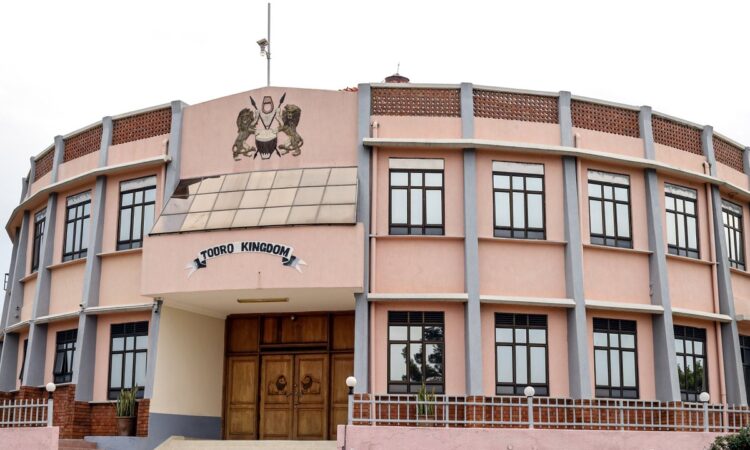
The resignation of Calvin Armstrong Rwomiire Akiiki as prime minister of Tooro Kingdom on Nov. 21, 2026, should concern everyone who cares about the kingdom’s future. His departure is not merely another change in leadership, but a reflection of deeper institutional problems that have troubled Tooro for years.

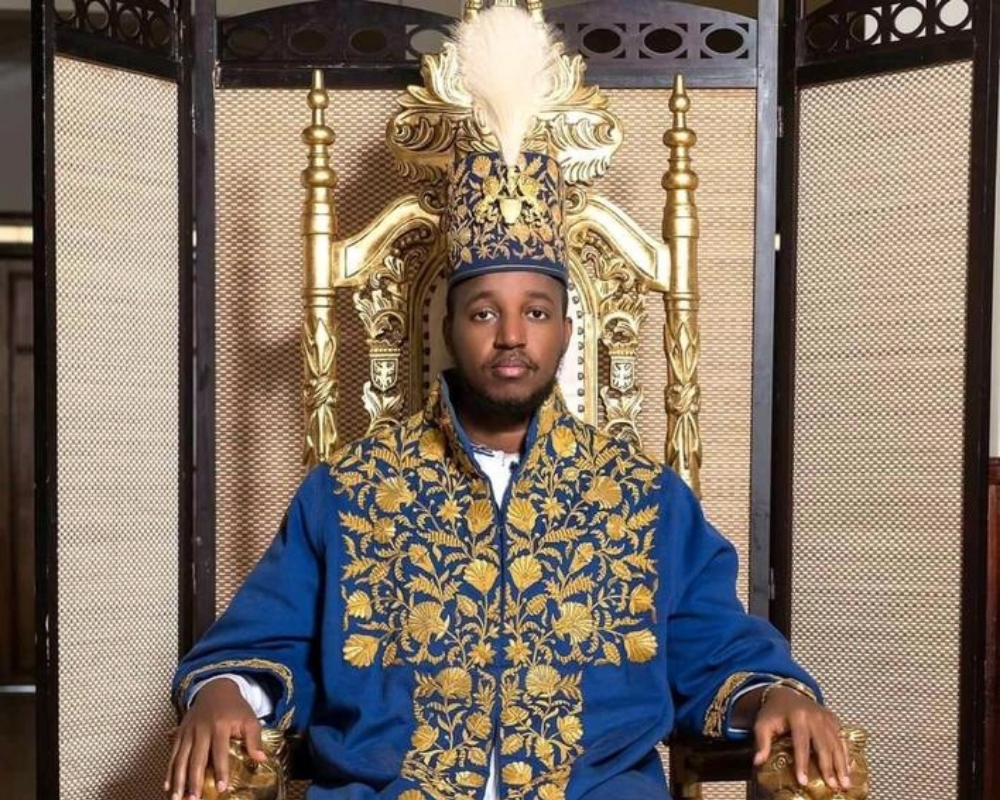
Rwomiire cited growing polarization, weakening consultation and the need for the kingdom to heal. His resignation came barely seven weeks after being retained by the new Omukama, Edward Rukiidi Nyabongo I, to oversee a six month transition that was expected to restore stability.
It is tempting to dismiss his departure as another disagreement among powerful individuals within the palace. Yet personal differences alone cannot explain why questions about authority, accountability, finances and institutional continuity keep resurfacing in Tooro’s administration.
The kingdom has witnessed changes in its premiership before, including the departure of Bernard Tungakwo in 2022 and earlier leadership transitions involving Steven Kaliba. Although these departures occurred under different circumstances, they raise legitimate questions about the stability and effectiveness of the office of Omuhikirwa.

The latest crisis emerged following the death of Omukama Oyo Nyimba Kabamba Iguru Rukidi IV on Aug. 27, 2026, after a reign spanning more than three decades. His death opened a sensitive succession process marked by competing claims, questions about consultation and disagreements over the selection of his successor.
The selection of Edward Rukiidi Nyabongo I by the Babiito royal clan committee did not immediately resolve these tensions. Instead, disagreements involving sections of the royal family exposed the difficulty of maintaining institutional unity when succession procedures and competing interests are contested.
Rwomiire’s reported 42 page account, submitted on Nov. 12, paints a troubling picture of alleged interference, weakened consultation and competing centers of authority. Although these claims require fair examination, they raise a fundamental question: What purpose does a prime minister serve if important administrative decisions can be made or reversed without meaningful consultation?
Beyond palace disagreements lies an even older challenge: Tooro’s unresolved land and property questions. Since the restoration of traditional institutions in 1993, the kingdom has struggled to recover and effectively manage assets that could provide a reliable foundation for its operations.
A 2019 memorandum of understanding with the central government sought to advance the return of kingdom properties, but disputes involving land titles, caveats and ownership have continued. These unresolved matters restrict investment opportunities and weaken the kingdom’s ability to generate sustainable revenue.
The financial consequences are particularly worrying. According to Rwomiire’s reported account, the kingdom’s Cabinet had operated without an operational budget since February 2025, while ministers personally financed official assignments and staff salary arrears reportedly exceeded Shs 300 million.
No serious institution can function indefinitely on the personal generosity of its leaders. When ministers must pay for transport, meetings and supervision from their own pockets, administrative effectiveness suffers, and public service risks becoming a responsibility only the financially privileged can afford.
These challenges reinforce one another in a damaging cycle. Unresolved land disputes weaken revenue collection, financial shortages undermine administration, and competing centers of authority discourage the confidence needed to attract investment and development partnerships.
Yet Tooro is not a kingdom without opportunities. Its agricultural potential, tourism attractions, educational institutions and rich cultural heritage provide a strong foundation for economic and social development, provided these resources are supported by credible institutions and consistent leadership.
Buganda offers useful lessons in developing commercial structures and institutional revenue streams, although the two kingdoms have different circumstances. Tooro need not copy another kingdom’s model, but it can strengthen professional management, financial accountability and long term planning.
Another uncomfortable question concerns the relationship between royal influence and formal administrative authority. Respect for the Omukama must coexist with clearly defined responsibilities for ministers, advisers and traditional leaders, because uncertainty over decision making creates room for conflict and weakens accountability.
The kingdom must also recognize that unity cannot be achieved simply by appointing new officials or calling for reconciliation. Lasting stability requires honest engagement with competing interests, transparent succession procedures, respect for established customs and institutions strong enough to survive disagreements among individuals.
The way forward should begin with a credible financial recovery plan, transparent management of kingdom assets and renewed efforts to resolve outstanding property disputes. Equally necessary are clear administrative procedures, predictable funding for kingdom operations and mechanisms that protect institutional decisions from undue interference.
Above all, the people of Tooro must remain at the center of these reforms. The kingdom’s success should not be measured only by royal ceremonies, prestigious appointments or its historical significance, but also by its contribution to education, cultural preservation, youth opportunities and community development.
Whoever succeeds Rwomiire will inherit many of the same difficulties unless the underlying problems are addressed. Replacing individuals without strengthening the institutions they serve risks turning every new administration into another temporary attempt to manage an old crisis.
The real question is not whether Tooro can find another capable prime minister, but whether it can build an institution in which that prime minister can succeed. Rwomiire’s resignation should therefore become a turning point for meaningful reform, rather than another chapter in a recurring story of leadership disputes and unrealized potential.
No part of this publication or its digital content may be reproduced, distributed, published, broadcast, rewritten, or redistributed in whole or in part without prior written permission from Kalisho Info.
For inquiries, contact: kalishoinfo@gmail.com
Stay informed and ahead of the curve! Follow Kalisho Info for real-time updates and breaking news.