
The Government of Uganda has committed Shs376 billion to financing programmes supporting farmers and small income-generating activities, in a new push to move more Ugandans out of subsistence and into the money economy.
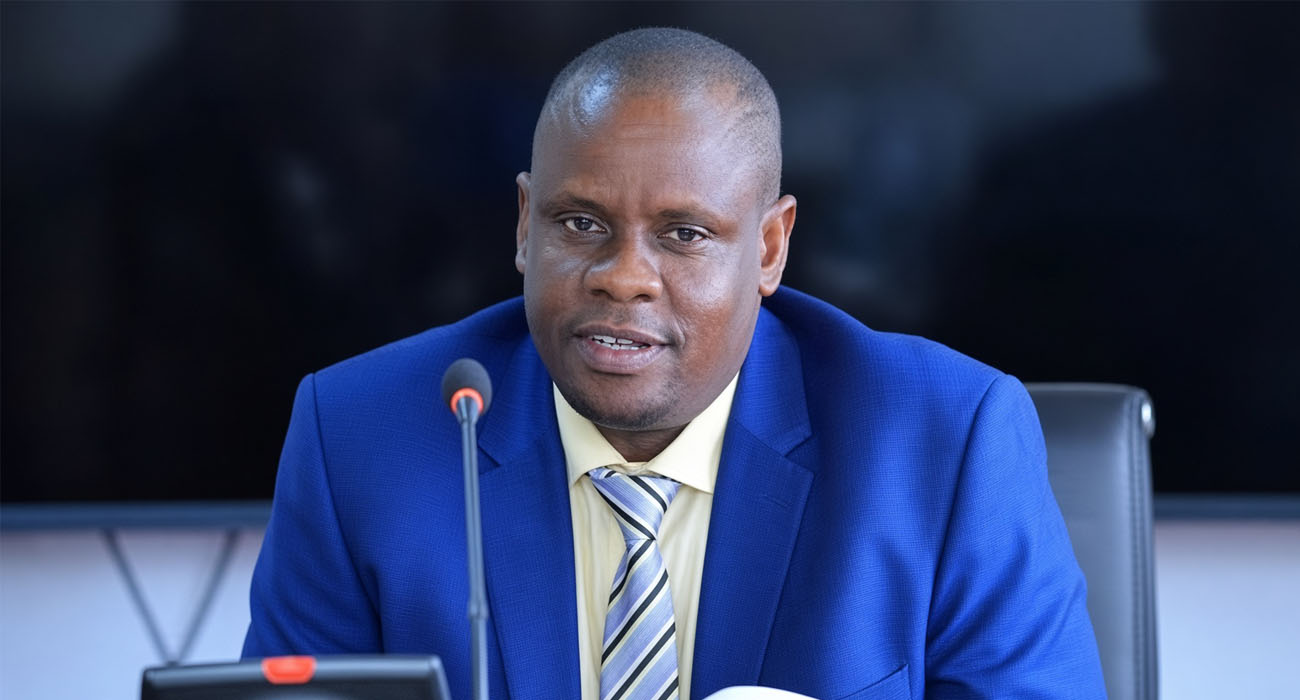
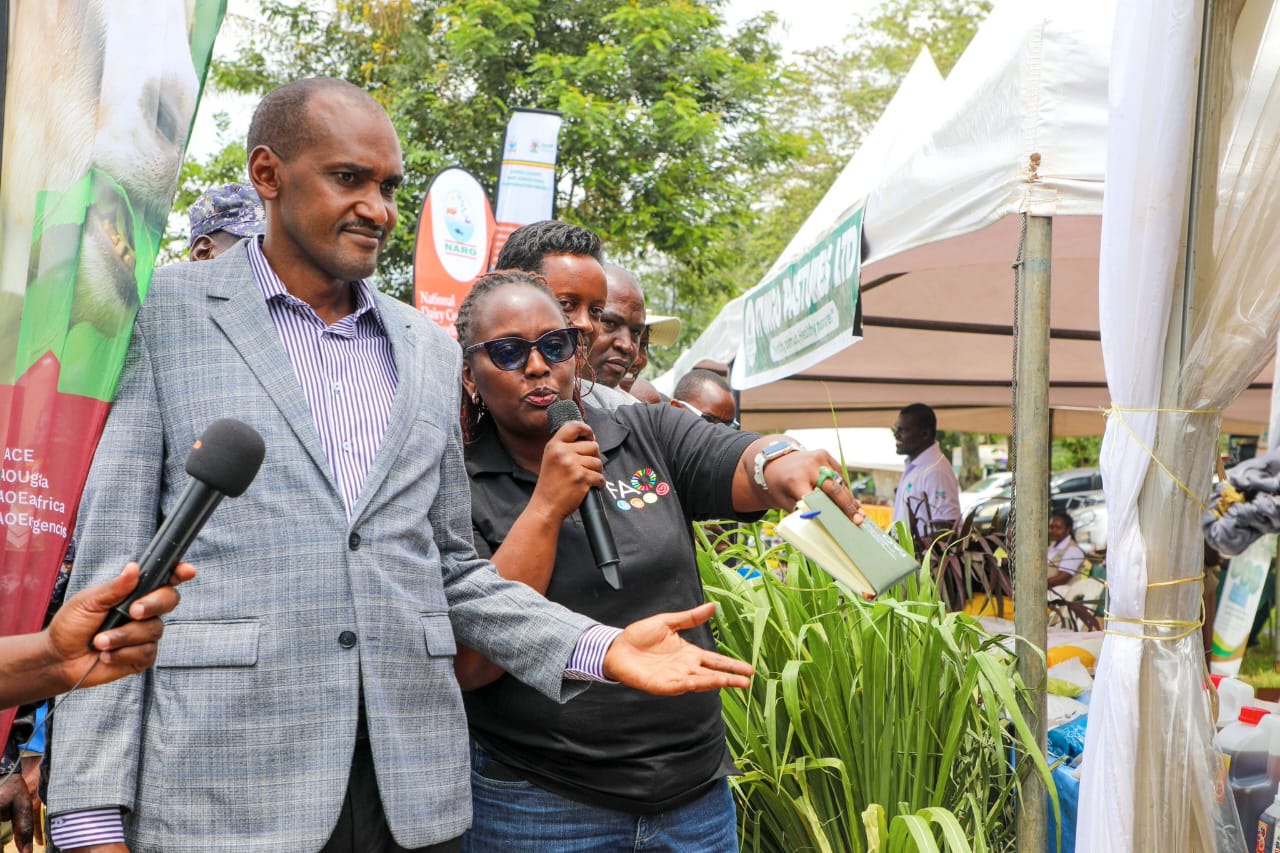
The commitment was highlighted at the Fourth Annual National Microfinance and Savings Group Conference, where leaders in the microfinance sector, government officials, and development partners gathered to discuss how ordinary Ugandans can access affordable credit.
What The Money Is For?

Shs376 billion is targeted at financing programmes for:
- Farmers — smallholder and commercial farmers who need capital for production, inputs, and value addition
- Small income-generating activities — market vendors, boda boda riders, tailors, welders, shop owners, poultry and piggery keepers, and other small enterprises
The aim is clear: help households that are still stuck in subsistence to start earning, grow their businesses, and create jobs.
This is part of government’s wider wealth-creation agenda. In the 2026/27 Budget, government said it had already invested close to Shs11 trillion in wealth-creation initiatives aimed at transforming households, farmers, youth, women and businesses.

But while the money has been committed, the conference raised a tough question:
Will the money actually reach the people who need it, and at a price they can afford?
Stakeholders at the Fourth Annual National Microfinance and Savings Group Conference challenged government, banks, SACCOs and microfinance institutions to ensure that affordable credit reaches the people and businesses that need it most.
For years, farmers and small business owners in Uganda have complained that:
- Interest rates are too high — Many commercial loans charge 20% – 30% per year, making it hard for a small farmer to make profit.
- Collateral is too hard — Banks ask for land titles, yet many farmers don’t have them.
- Processes are too slow — By the time a loan is approved, the planting season is already gone.
That is why government has been pushing low-interest schemes like the Agricultural Credit Facility (ACF) and the Small Business Recovery Fund, where government co-finances loans with banks to bring the interest down.
For example, the Agricultural Credit Facility offers loans of up to Shs5 billion at not more than 12% interest per year, with government providing half of the money — and up to 70% through SACCOs and microfinance institutions. The government’s share attracts no interest.
The Small Business Fund, which supports enterprises outside agriculture like retail shops, schools, tailoring and carpentry, offers loans of up to Shs500 million at a maximum of 10% interest per year on a reducing balance.
The Shs376 billion does not stand alone. It adds to other government programmes already running:
1. Parish Development Model (PDM)
Government has so far injected Shs4.4 trillion through 10,589 PDM SACCOs, reaching over 3.5 million beneficiaries. Each beneficiary can access up to Shs1 million to start a household enterprise.
2. Emyooga
Shs760 billion in revolving funds behind 7,148 SACCOs with over 2.48 million members.
3. Large-Scale Commercial Farmers Facility
Shs176 billion facility with Pearl Bank, Pride Bank and Housing Finance Bank to give subsidised credit to large-scale farmers growing maize, beans, sorghum and animal fodder.
Together, these programmes are meant to support all clusters — small, medium and large farmers.
If the Shs376 billion is well managed, a farmer should be able to:
- Get a loan through a SACCO, microfinance institution or bank at a lower interest rate
- Buy quality seeds, fertiliser, irrigation equipment, or animal feed
- Add value — e.g. mill maize, process milk, or package coffee — instead of selling raw produce cheaply
- Expand a small business from survival to employment
But experts warn that without strong monitoring, the money can be diverted, delayed, or eaten up in administrative costs.
The challenge now is implementation.
Stakeholders want:
- Transparency on which institutions will disburse the Shs376 billion
- Clear guidelines on who qualifies, how to apply, and what interest rate will be charged
- Faster approval so farmers get money in time for the planting season
- Financial literacy so borrowers know how to use loans and pay them back
Government says the goal is full monetisation of Uganda’s economy through commercial agriculture, industrialisation, digital transformation and market access.
Whether the Shs376 billion will change lives on the ground will depend on one thing.
No part of this publication or its digital content may be reproduced, distributed, published, broadcast, rewritten, or redistributed in whole or in part without prior written permission from Kalisho Info.
For inquiries, contact: kalishoinfo@gmail.com
Stay informed and ahead of the curve! Follow Kalisho Info for real-time updates and breaking news.