

KAMPALA, Uganda – Uganda Airlines is facing one of the most decisive moments in its short modern history.
Revived in 2019 with a plan to reconnect Uganda to regional and global markets, the national carrier promised to restore national pride and strengthen trade and tourism. Instead, the airline has become associated with mounting financial losses, operational disruptions and persistent governance concerns.

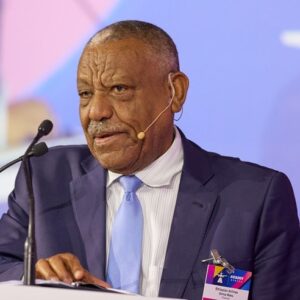
In a decisive move, President Yoweri Museveni has appointed veteran aviation executive Girma Wake as consultant, adviser and acting chief executive officer. In a letter addressed to the Minister of Works and Transport, Gen. Katumba Wamala, the former CEO Jenifer Bamuturaki was asked to step aside immediately and handover. Wake, 82, is expected to steer a comprehensive reset of the airline until a substantive CEO is recruited by July 2026.
A Promising Start, A Difficult Reality
Since its relaunch, Uganda Airlines expanded its fleet with Airbus A330 aircraft for long haul routes and CRJ jets for regional operations. It launched services across Africa and to destinations in the United Arab Emirates, India and Europe, with ambitions of entering the Chinese market.
Passenger and cargo numbers showed periods of strong growth. In some reporting cycles, passenger traffic rose by 58 percent while cargo volumes increased by 55 percent. Yet those gains did not translate into profitability.
Reports by the Auditor General and parliamentary investigations revealed significant financial strain. The airline recorded losses of about UGX 324.9 billion in the 2022 to 2023 financial year and UGX 237.8 billion in 2023 to 2024.
Investigations also pointed to procurement irregularities, overpayments, high maintenance costs and weak internal controls. Operational setbacks compounded the situation. Aircraft groundings in cities such as Lagos and London disrupted schedules, leaving passengers stranded.
The airline also accumulated arrears to the Uganda Civil Aviation Authority estimated at about 100 million dollars, raising concerns about potential regulatory consequences.
Governance gaps added to the pressure. Lawmakers on the Committee on State Authorities scrutinized management practices, citing the absence of a board approved staff structure and concerns over compensation policies. Allegations of mismanagement triggered multiple probes by both Parliament and the airline board.
Public frustration grew as critics described the carrier as overly dependent on government support and vulnerable to political interference rather than driven by strict commercial discipline.
A Veteran Steps In
Girma Wake brings decades of experience. As chief executive of Ethiopian Airlines from 2004 to 2011, he oversaw rapid expansion, fleet modernization and consistent profitability. Under his leadership, Ethiopian Airlines grew into Africa’s largest and most influential carrier.
He later served as board chairman and advised other African airlines, including RwandAir. Wake has long advocated professional management insulated from undue political pressure, strategic partnerships, careful route selection and disciplined cost control.
He reportedly offered informal guidance to Ugandan authorities around 2018 during the airline revival planning, cautioning against excessive political involvement in operational matters.
The Road Ahead
Wake’s appointment signals recognition at the highest level that incremental fixes will not be enough. His interim mandate focuses on stabilizing operations, tightening financial controls and strengthening governance before a permanent CEO is appointed.
He brings continental credibility and a proven understanding of how state owned airlines can operate on commercial principles. His time bound role may allow him to focus on urgent reforms without long term political considerations.
However, the obstacles are significant. Uganda Airlines must address structural weaknesses, reduce dependence on subsidies and rebuild trust among passengers, staff, regulators and potential partners. Expansion plans will need to be balanced against strict cost management and route profitability.
At 82, Wake’s role is clearly transitional. The success of this intervention will depend not only on his leadership but also on whether broader institutional reforms are embraced.
Uganda Airlines now stands at a crossroads. The coming months will determine whether experienced leadership and stronger governance can put the carrier on a sustainable path or whether deeper challenges will continue to weigh it down.