
ABU DHABI, UAE — Some African countries are considering increasing their fuel storage capacity by five to 10 days to protect against supply disruptions, as tight global fuel markets expose the risks of relying on limited reserves.

Russell Hardy, chief executive of Vitol Group, the world’s largest independent oil trader, said governments are increasingly recognising the need for additional fuel stocks to strengthen their ability to withstand unexpected disruptions in international supply chains.
Speaking at the ADIPEC 2026 conference in Abu Dhabi, Hardy said companies and markets had become highly efficient at operating with lean inventories. However, he cautioned that efficiency does not necessarily guarantee resilience when supply routes are disrupted.
He explained that the world consumes approximately 60 million barrels of refined petroleum products daily, including petrol, diesel and jet fuel. Maintaining an additional 10 days of global supply would therefore require about 600 million barrels of storage, an investment that could cost tens of billions of dollars at current elevated prices.

Hardy said he expects governments to reassess their fuel stockholding strategies once the current market disruptions ease. He singled out African countries as among those likely to pursue an additional five to 10 days of storage to protect their economies against future supply shocks.
His remarks come amid a difficult year for international fuel markets, with disruptions affecting the availability and movement of refined petroleum products.
Throughout 2026, Hardy has described global fuel markets as tight and inflexible, pointing to declining refined product inventories despite some recovery in crude oil supplies.
Disruptions affecting refining operations in the Middle East, restrictions on Russian exports and limited spare refining capacity in other regions have contributed to the pressure, particularly on diesel and other middle distillates.
The situation has been compounded by tensions involving Iran and disruptions around the Strait of Hormuz, a major international shipping route for oil and petroleum products. Higher shipping costs, delayed deliveries and uncertainty over supply have forced several importing countries to seek alternative sources.
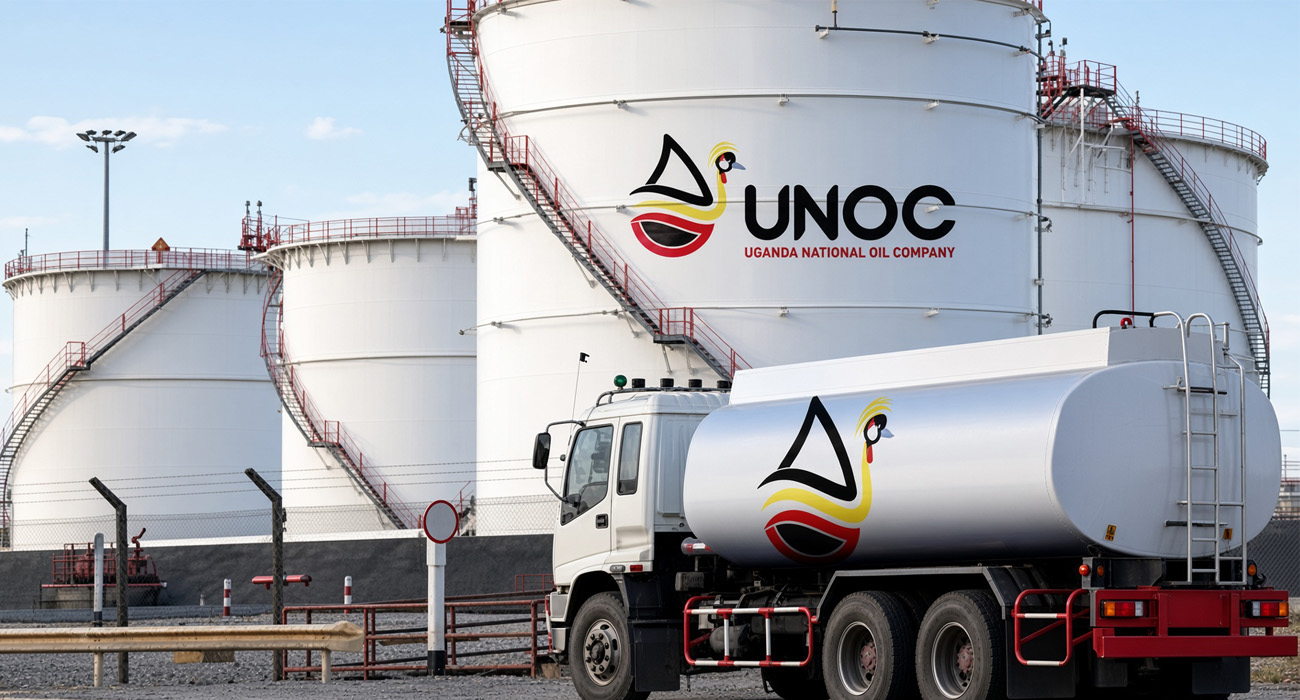
African countries face particular exposure because many depend heavily on imported refined petroleum products and have limited commercial and strategic stocks to cushion supply interruptions.
The International Energy Agency recommends that its member countries maintain emergency oil stocks equivalent to at least 90 days of net imports. However, many African markets operate with considerably smaller reserves, often estimated at between 10 and 25 days of demand, leaving them vulnerable to prolonged shipping delays and sudden changes in international prices.
For countries importing fuel from distant markets, shipping can take 20 days or longer, depending on the origin and destination. Additional storage capacity could therefore provide a useful buffer while governments and suppliers arrange alternative deliveries.
Vitol already has significant downstream interests in Africa through Vivo Energy, which operates under brands including Engen. The group has been involved in storage and supply investments across the continent, including infrastructure development around South Africa’s Durban port.
The renewed interest in fuel storage also reflects a wider industry debate about the need to strengthen energy security. At the same ADIPEC conference, ADNOC chief executive Sultan Al Jaber called for increased strategic storage, larger petroleum stockpiles and more flexible refining capacity closer to consumer markets.
Al Jaber’s remarks came amid concerns that global inventories had lost nearly one billion barrels during the period of market disruption.
For African governments, expanding fuel storage could reduce the risk of shortages when international shipments are delayed or supply routes become inaccessible. However, the investments would require substantial financing, suitable infrastructure and clear arrangements on whether reserves should be owned and managed by governments, private companies or through public private partnerships.
The proposed five to 10 additional days of storage would not amount to a comprehensive strategic reserve. However, it could offer some protection to countries operating with limited stock levels.
Hardy’s comments point to a broader rethink of how countries approach fuel security. For years, many companies have prioritised lean inventories to reduce storage and financing costs. The disruptions experienced in 2026 have exposed the limitations of that approach when international supply chains come under pressure.
Although Hardy did not identify the African countries considering the additional storage or announce specific investment commitments, his remarks suggest that strengthening fuel reserves is becoming a more prominent consideration for governments seeking to protect domestic markets against future global supply shocks.
No part of this publication or its digital content may be reproduced, distributed, published, broadcast, rewritten, or redistributed in whole or in part without prior written permission from Kalisho Info.
For inquiries, contact: kalishoinfo@gmail.com
Stay informed and ahead of the curve! Follow Kalisho Info for real-time updates and breaking news.