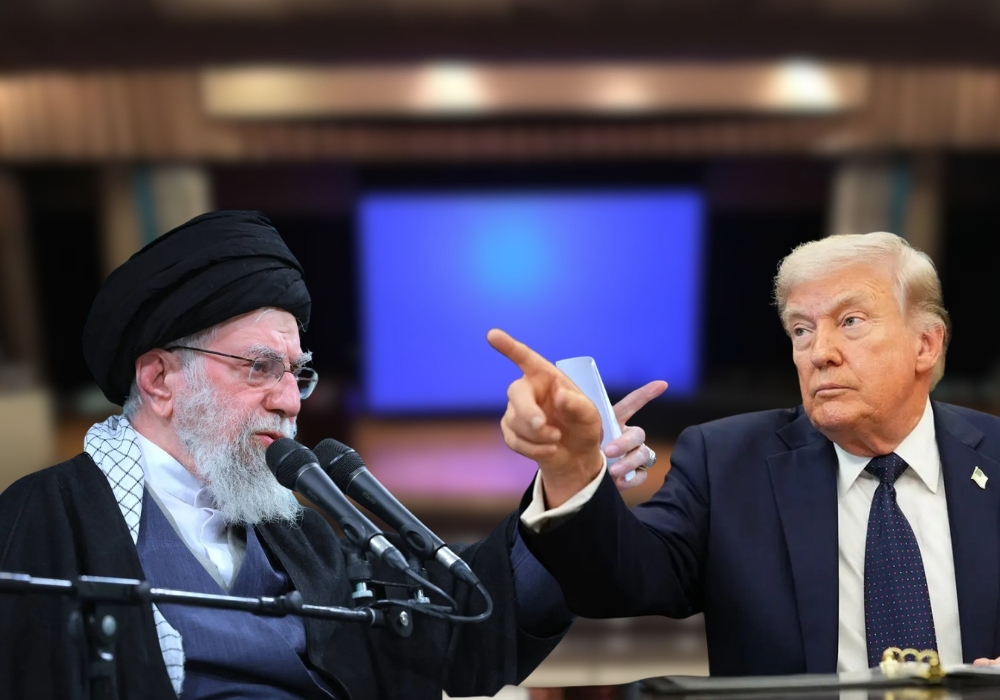

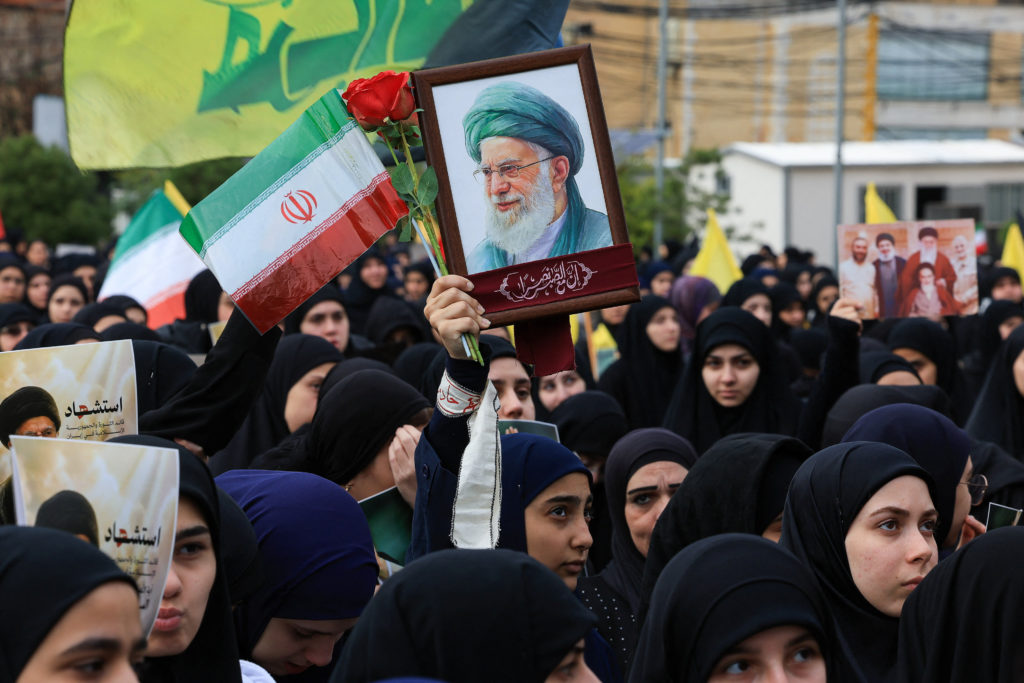
DUBAI, United Arab Emirates — A fast moving crisis around Iran is shaking the Middle East and global energy markets after a major United States and Israeli military campaign hit targets across the country and Iranian state media confirmed the death of Supreme Leader Ayatollah Ali Khamenei.

The strikes, which began over the weekend, have focused on Iran’s missile capabilities and military sites, according to reporting by The Associated Press. Iran responded with missile fire and allied groups across the region also moved, raising fears the conflict could widen quickly.
What is happening inside Iran
The U.S. and Israel say they are striking Iranian military targets. Reports describe heavy bombardment, including attacks tied to Iran’s ballistic missile program, and a broader campaign that has continued into Sunday and Monday.

Khamenei’s death has opened a major political question inside Iran: succession. Iran has a formal process for selecting a new supreme leader through the Assembly of Experts, but the timing and the balance of power among key factions are now unclear as the country faces an external assault and internal pressure at the same time.
Iran’s response and the risk of a wider war
Iran has launched retaliatory attacks and is leaning on regional partners who are closely aligned with Tehran. One of the clearest signs of escalation came from Lebanon, where Hezbollah fired missiles and drones toward Israel, and Israel answered with major airstrikes on Hezbollah areas, including Beirut’s southern suburbs, according to Reuters and other reports.
The United Nations warned that the strikes on Iran could ignite a broader regional conflict. Diplomats at the Security Council described a rapidly worsening situation and urged restraint, even as major powers clashed over the legality and consequences of the attacks.
The Strait of Hormuz and the oil shock
The crisis is also hitting the world economy through energy and shipping. Reuters reported a sharp jump in oil prices as the conflict escalated and disrupted shipping, with damage reported to tankers and growing concerns about supply routes.
Shipping companies are reacting in real time. Reuters reported that major Japanese shippers halted operations through the Strait of Hormuz, a narrow waterway that is critical for global oil flows, as safety risks rose. Separate shipping data cited by Reuters showed large numbers of tankers stopping or anchoring near the Gulf as uncertainty spreads.
Nuclear diplomacy under new strain
The conflict is colliding with already fragile diplomacy over Iran’s nuclear program. In late February, U.S. Iran talks in Geneva ended with claims of progress but few public details, leaving open the possibility of more negotiations even as the military situation worsens.
The International Atomic Energy Agency is also in focus. The agency has scheduled a Board of Governors meeting in early March, and recent reporting cited concerns about access, verification and safeguards issues tied to Iran’s nuclear facilities.
What to watch next
Key questions now center on whether the U.S. and Israel expand their target set, how Iran chooses to respond in the Gulf and through allied groups, and whether any diplomatic channel can slow the pace of escalation.
Three developments will shape the next phase:
- Succession and stability inside Iran. The leadership transition after Khamenei’s death could determine whether Iran consolidates quickly or faces deeper internal division under wartime pressure.
- Regional spillover. Hezbollah’s involvement and Israel’s strikes in Lebanon show how quickly the conflict can spread beyond Iran’s borders.
- Hormuz and energy supply. Any sustained disruption in the Strait of Hormuz could keep oil prices volatile and force shipping and insurance costs higher worldwide.
No part of this publication or its digital content may be reproduced, distributed, published, broadcast, rewritten, or redistributed in whole or in part without prior written permission from Kalisho Info.
For inquiries, contact: kalishoinfo@gmail.com
Stay informed and ahead of the curve! Follow Kalisho Info for real-time updates and breaking news.