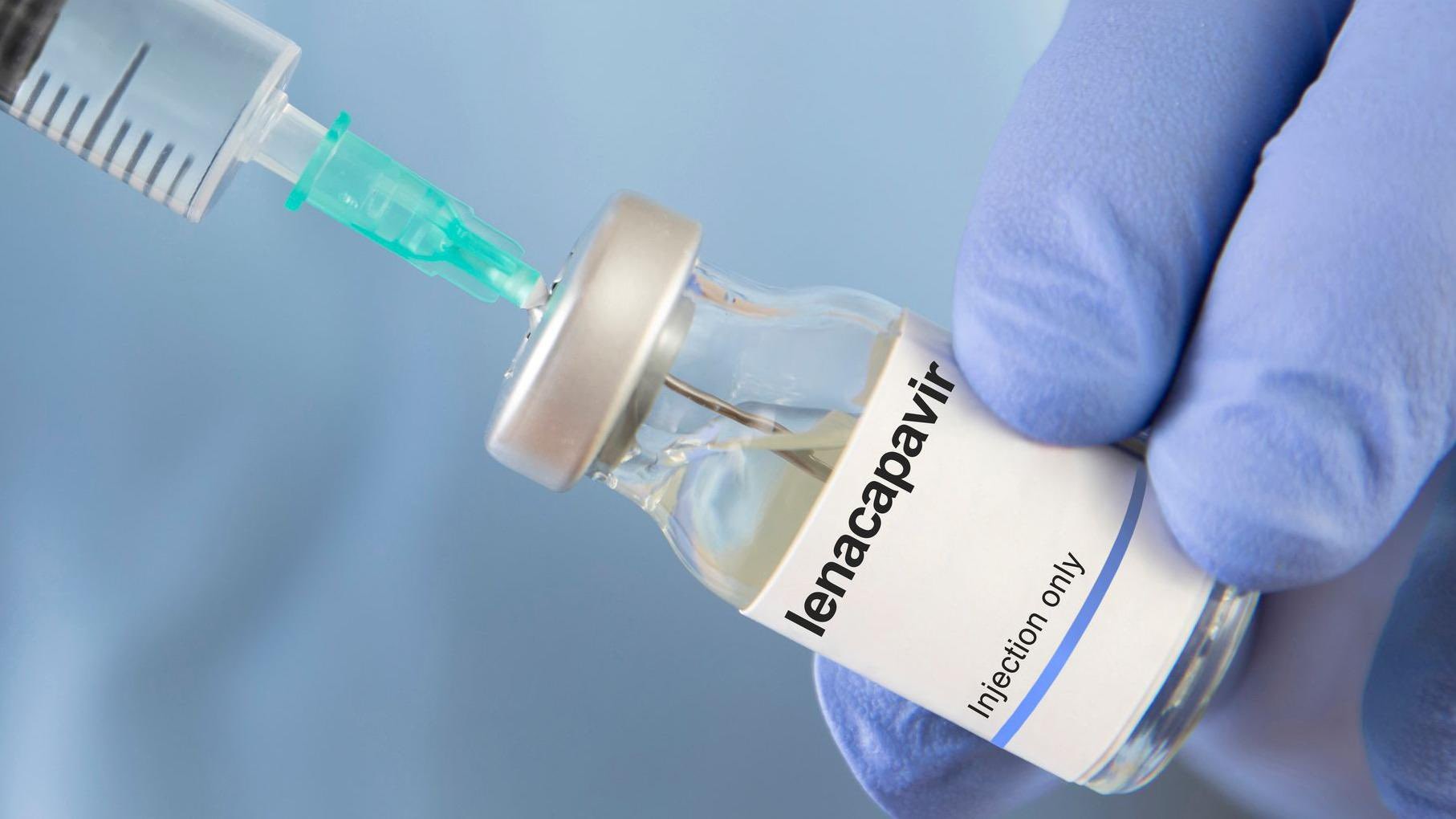

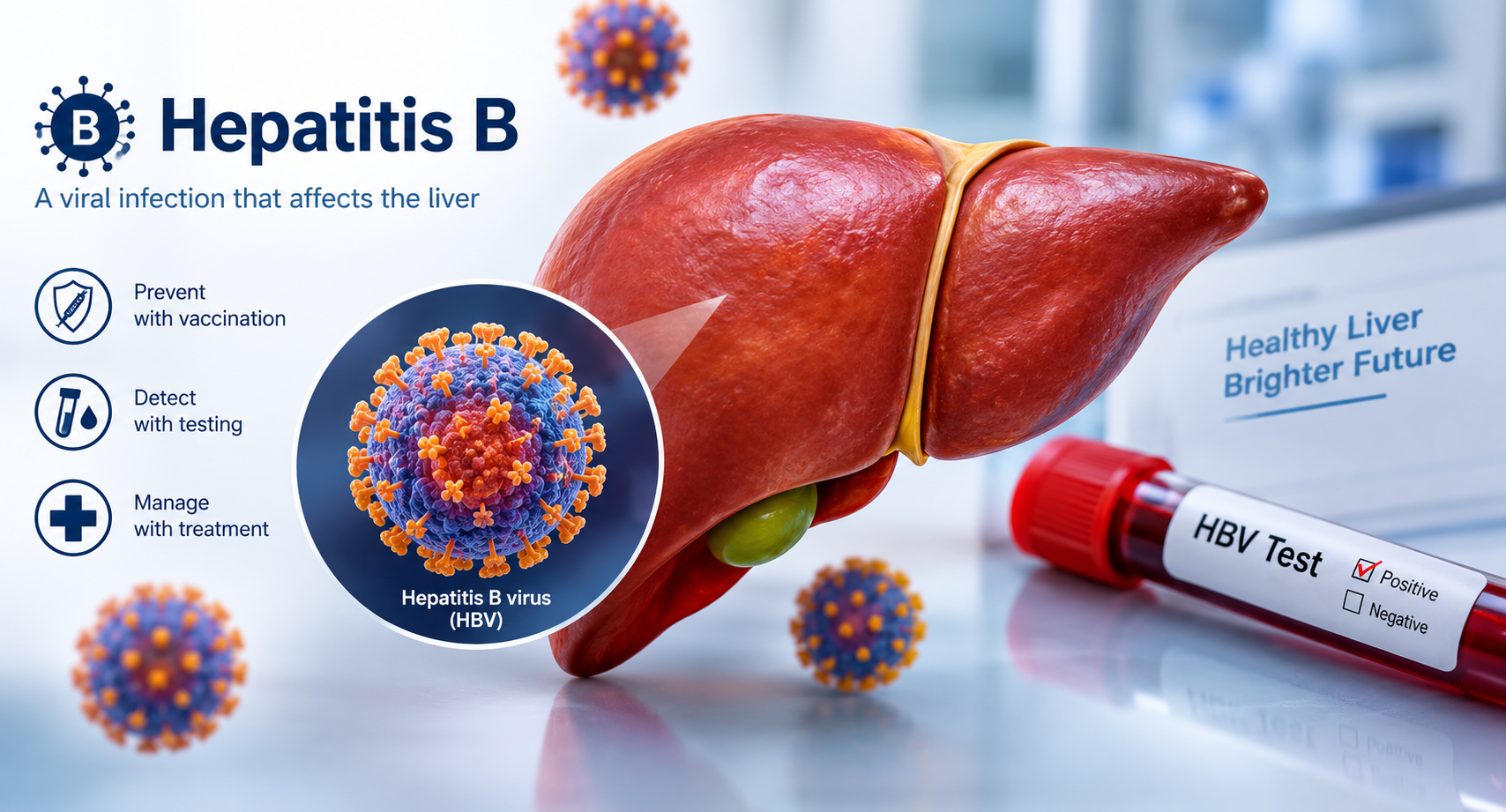
A new treatment approved by the United States Food and Drug Administration could give some people living with chronic hepatitis B a chance to eventually stop taking hepatitis B medicine, in a development that could have significance for families dealing with the disease.

The FDA announced on Oct. 20 that it had approved Hibsago, also known as bepirovirsen, for certain adults with chronic hepatitis B who do not have cirrhosis. It is the first antisense oligonucleotide approved by the agency to treat chronic hepatitis B.
The approval is not for every hepatitis B patient. It applies to certain adults who have already been taking antiviral treatment for at least six months, have suppressed levels of the virus in their blood and have hepatitis B surface antigen levels of 3,000 IU/mL or less, based on an FDA authorized test.
That distinction matters because chronic hepatitis B is often a long term condition. Existing antiviral medicines can suppress the virus and help reduce the risk of serious liver complications, but patients may need treatment for many years.

For families, that can become a continuing burden. A person living with chronic hepatitis B may require regular medical reviews, laboratory tests and medication, while the disease itself can cause fear and uncertainty because it can eventually lead to cirrhosis, liver failure and liver cancer.
The burden is also relevant to Uganda, where hepatitis B remains a public health concern. Families can be affected when more than one member is infected, while mothers living with the virus also face the risk of passing hepatitis B to their babies.
Prevention remains critical. Uganda has been expanding efforts to protect newborns against hepatitis B, including the rollout of the hepatitis B birth dose vaccine.
The new US approval therefore does not remove the need for vaccination, testing or early treatment. Instead, it adds another option for a specific group of patients who are already receiving care.
In the clinical trials used to support the approval, 24% of patients who received Hibsago met the requirements to stop their existing hepatitis B medicine, compared with none of those who received a placebo.
Twenty four weeks after stopping all hepatitis B treatment, 19% of patients who received Hibsago still had the virus under control and had no detectable hepatitis B surface antigen in their blood.
Hibsago is administered through injections for up to 24 weeks alongside existing hepatitis B medicine. Patients then continue their existing treatment for at least another 24 weeks after their final Hibsago injection.
Only patients who meet the required health and laboratory conditions may subsequently stop their existing medicine. The FDA also warns that the treatment carries serious risks, including potentially severe liver reactions and low platelet counts, meaning patients require regular monitoring by health professionals.
For Ugandans living with hepatitis B, the development offers a reason for hope, but it is not yet a signal for patients to stop their current medication.
The approval was made in the US, and access to Hibsago in Uganda would depend on future regulatory approval and availability in the country.
For now, health experts continue to stress the basics that remain central to controlling hepatitis B: vaccination, testing, early diagnosis and proper medical follow up.
For families that have spent years dealing with the cost and uncertainty of chronic hepatitis B, however, the possibility of a treatment that could allow some patients to live without continuous medication marks a significant step forward in the search for better ways to control the disease.
No part of this publication or its digital content may be reproduced, distributed, published, broadcast, rewritten, or redistributed in whole or in part without prior written permission from Kalisho Info.
For inquiries, contact: kalishoinfo@gmail.com
Stay informed and ahead of the curve! Follow Kalisho Info for real-time updates and breaking news.