
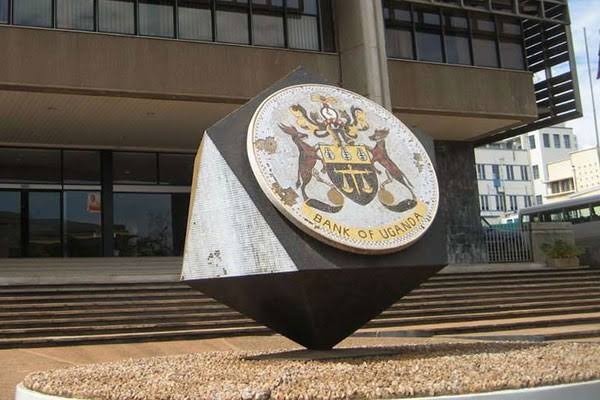
KAMPALA, Uganda — The Bank of Uganda has raised its Central Bank Rate by 225 basis points to 12% in an emergency move aimed at containing inflation and supporting the weakening Uganda shilling.

The decision was taken Wednesday by the Monetary Policy Committee as pressure on the currency intensified amid rising global oil prices, higher transport costs and uncertainty linked to the conflict in the Middle East.
The increase takes the CBR from 9.75% to 12%, marking a sharp tightening of monetary policy as the central bank responds to growing risks to price and financial stability.
The Bank of Uganda said the global economic environment had deteriorated since its previous policy meeting. Higher oil prices, disrupted shipping routes and increased freight and insurance costs have added pressure to Uganda’s external position.

The country’s current account deficit widened by $1.4 billion to $4.6 billion in the 12 months to August, according to the October monetary policy statement. The deterioration was linked to higher oil import costs, lower agricultural commodity prices and weaker tourism receipts.
The shilling has also come under renewed pressure, weakening beyond Shs4,000 against the U.S. dollar as demand for foreign currency increased.
The depreciation has raised the cost of imported fuel and other goods, creating a risk that higher import prices could spread through the wider economy.
Inflation has already started to rise. Headline inflation increased to 4.6% in September from 4.1% in August, while core inflation rose to 3.7% from 3.5%.
The central bank now expects headline inflation to average between 7% and 7.5% over the next 12 months. Core inflation is projected to average between 5.5% and 6%, above the Bank of Uganda’s medium term target of 5%.
The MPC said the rate increase is intended to contain inflationary pressures, limit the wider effects of higher energy prices and exchange rate depreciation, and keep inflation expectations close to the medium term target.
Emmanuel Kato, an independent macroeconomist described the move as a classic defensive response aimed at preventing temporary external shocks from becoming embedded in domestic prices and expectations.
“When the exchange rate falls sharply and fuel costs jump, the immediate risk is that businesses and households start expecting higher inflation and adjust wages, markups, and prices accordingly,” Kato said. “Those are the second round effects the Bank is trying to stop.”
Kato said the higher policy rate could also make shilling assets more attractive relative to foreign assets, potentially slowing capital outflows and supporting the currency.
“At the same time, higher rates raise the cost of credit for banks, firms, and households, which cools demand and helps contain broader price pressures,” he said.
However, Kato said the move comes with a cost. Tighter monetary conditions could slow private sector credit and investment at a time when businesses are already facing higher import and operating costs.
The Bank of Uganda had already tightened monetary conditions by increasing the Cash Reserve Requirement for commercial banks from 11% to 13.5%, effective Sept. 24. The move was intended to reduce excess liquidity in the banking system and strengthen monetary policy transmission.
The latest decision is also expected to affect the cost of borrowing. Commercial banks could raise lending rates as the cost of funds increases, making loans more expensive for businesses and households.
Higher interest rates could reduce borrowing and spending, helping to ease inflationary pressure. But they could also slow private investment and economic activity.
The Bank of Uganda has also lowered its growth forecast for the 2026/27 financial year. The economy is now expected to grow between 6% and 6.5%, compared with the earlier projection of 7% to 7.5%.
The central bank said risks to the outlook include prolonged geopolitical tensions, higher international energy and transport costs, adverse weather conditions and tighter financial conditions.
Following the decision, the rediscount rate rises to 15% while the bank rate stands at 16%. The CBR corridor remains at plus or minus 2 percentage points.
The Bank of Uganda said it will continue monitoring developments and remains ready to take further action if necessary to protect price and financial stability.
No part of this publication or its digital content may be reproduced, distributed, published, broadcast, rewritten, or redistributed in whole or in part without prior written permission from Kalisho Info.
For inquiries, contact: kalishoinfo@gmail.com
Stay informed and ahead of the curve! Follow Kalisho Info for real-time updates and breaking news.